- English
- Español
- Português
- русский
- Français
- 日本語
- Deutsch
- tiếng Việt
- Italiano
- Nederlands
- ภาษาไทย
- Polski
- 한국어
- Svenska
- magyar
- Malay
- বাংলা ভাষার
- Dansk
- Suomi
- हिन्दी
- Pilipino
- Türkçe
- Gaeilge
- العربية
- Indonesia
- Norsk
- تمل
- český
- ελληνικά
- український
- Javanese
- فارسی
- தமிழ்
- తెలుగు
- नेपाली
- Burmese
- български
- ລາວ
- Latine
- Қазақша
- Euskal
- Azərbaycan
- Slovenský jazyk
- Македонски
- Lietuvos
- Eesti Keel
- Română
- Slovenski
- मराठी
- Srpski језик

How Does a Brake Proportioning Valve Improve Vehicle Braking Performance?
Article Abstract
A brake proportioning valve plays a critical role in maintaining vehicle stability, safety, and consistent stopping performance under varying load and road conditions. Many drivers, fleet operators, and automotive engineers face braking issues such as rear-wheel lockup, uneven brake wear, or reduced control during emergency stops—often without realizing that the root cause lies in improper brake force distribution. This article provides a comprehensive explanation of how a brake proportioning valve works, why it is essential, and how to select the right solution for different applications. The content is designed to address real-world pain points through clear technical explanations, structured comparisons, and practical guidance.
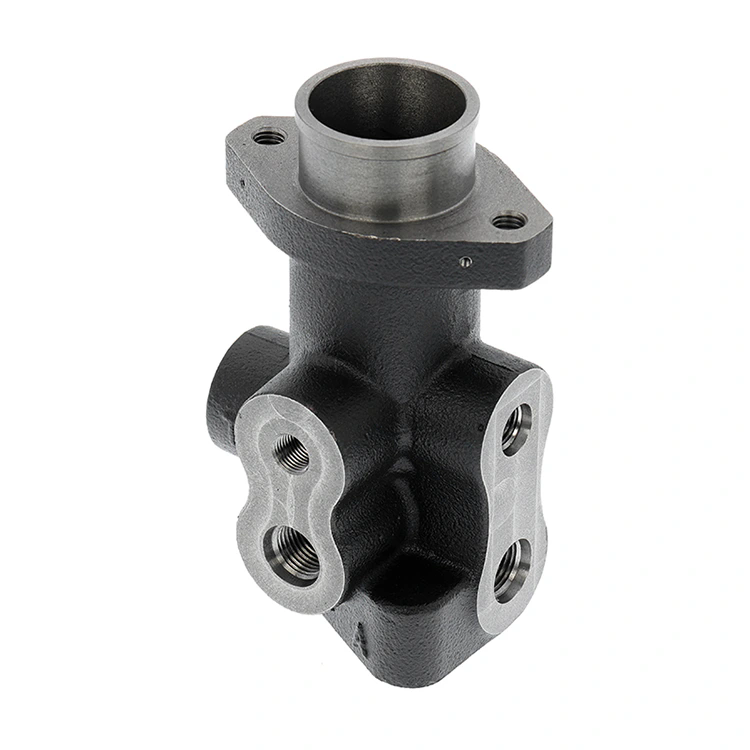
Table of Contents
- Article Outline
- What Is a Brake Proportioning Valve?
- How a Brake Proportioning Valve Works
- Common Braking Problems It Solves
- Types of Brake Proportioning Valves
- Key Parameters and Performance Comparison
- How to Choose the Right Brake Proportioning Valve
- Typical Applications Across Vehicles
- Installation and Maintenance Considerations
- Frequently Asked Questions
Article Outline
- Understanding brake force distribution challenges
- Technical principles behind proportioning valves
- Impact on safety, control, and component lifespan
- Design variations and use-case scenarios
- Selection criteria for OEM and aftermarket needs
What Is a Brake Proportioning Valve?
A brake proportioning valve is a hydraulic control component within a vehicle’s braking system that regulates the pressure delivered to the front and rear brakes. During braking, weight transfers toward the front axle, increasing front-wheel traction while reducing rear-wheel grip. Without controlled pressure reduction, rear brakes may lock prematurely, leading to skidding or loss of directional stability.
The brake proportioning valve prevents this imbalance by limiting hydraulic pressure to the rear brake circuit once a predefined threshold is reached. This ensures that braking force aligns with available tire traction, especially during hard braking or when the vehicle is lightly loaded.
How a Brake Proportioning Valve Works
Under normal braking conditions, hydraulic pressure flows evenly to both front and rear brakes. As braking force increases, the valve activates once system pressure exceeds a calibrated point. Beyond this point, rear brake pressure rises at a slower rate compared to the front.
This controlled pressure reduction is achieved through an internal piston, spring, or metering mechanism that responds dynamically to hydraulic input. The result is smoother deceleration, improved steering control, and reduced risk of rear-wheel lockup.
Common Braking Problems It Solves
- Rear-wheel lockup: Especially common in unloaded vehicles or wet road conditions.
- Unstable braking: Sudden yaw or fishtailing during emergency stops.
- Uneven brake wear: Excessive rear brake usage leading to premature component failure.
- Reduced driver confidence: Inconsistent pedal feel and unpredictable stopping behavior.
Types of Brake Proportioning Valves
- Fixed Proportioning Valves: Factory-calibrated units designed for specific vehicle platforms.
- Load-Sensing Proportioning Valves: Adjust braking force based on vehicle load and suspension position.
- Adjustable Proportioning Valves: Allow manual tuning, commonly used in performance or custom vehicles.
Key Parameters and Performance Comparison
| Parameter | Fixed Valve | Load-Sensing Valve | Adjustable Valve |
|---|---|---|---|
| Pressure Control | Pre-set | Dynamic | User-defined |
| Adaptability | Low | High | Medium to High |
| Installation Complexity | Low | Medium | Medium |
| Typical Use | Passenger cars | Trucks, vans | Performance vehicles |
How to Choose the Right Brake Proportioning Valve
Selecting the correct brake proportioning valve requires evaluating vehicle weight distribution, braking system design, and operating conditions. Key considerations include axle load variation, brake type (disc or drum), and whether the vehicle operates under consistent or fluctuating payloads.
For OEM manufacturers and aftermarket suppliers, material quality, machining accuracy, and pressure response consistency are critical factors. Precision-manufactured valves ensure predictable performance and long-term reliability under repeated braking cycles.
Typical Applications Across Vehicles
- Passenger cars and SUVs
- Light-duty and heavy-duty trucks
- Commercial fleets and delivery vehicles
- Motorsports and modified performance cars
Installation and Maintenance Considerations
Proper installation is essential to ensure correct pressure balance. Incorrect plumbing or misadjustment can negate the valve’s benefits. Periodic inspection for leaks, corrosion, or contamination helps maintain braking efficiency and system safety.
When replacing or upgrading a brake proportioning valve, compatibility with the master cylinder and brake lines must be verified to avoid pressure mismatches.
Frequently Asked Questions
-
Can a faulty brake proportioning valve affect stopping distance?
Yes. Improper pressure distribution can reduce effective braking force and compromise vehicle control. -
Is an adjustable brake proportioning valve suitable for daily driving?
It can be, provided it is correctly calibrated and regularly checked to ensure consistent performance. -
How do load changes impact brake proportioning?
Increased rear axle load requires higher rear brake pressure, which load-sensing valves adjust automatically.
Conclusion
A properly engineered brake proportioning valve is fundamental to achieving balanced braking, enhanced safety, and predictable vehicle behavior. Whether for standard road vehicles or specialized applications, understanding how this component functions enables better design decisions and maintenance practices.
For precision-manufactured brake proportioning valve solutions designed to meet demanding performance requirements, Difon offers reliable machining expertise and application-focused support. To explore customized solutions or technical guidance, Difon invites you to contact us and discuss your specific braking system needs.