- English
- Español
- Português
- русский
- Français
- 日本語
- Deutsch
- tiếng Việt
- Italiano
- Nederlands
- ภาษาไทย
- Polski
- 한국어
- Svenska
- magyar
- Malay
- বাংলা ভাষার
- Dansk
- Suomi
- हिन्दी
- Pilipino
- Türkçe
- Gaeilge
- العربية
- Indonesia
- Norsk
- تمل
- český
- ελληνικά
- український
- Javanese
- فارسی
- தமிழ்
- తెలుగు
- नेपाली
- Burmese
- български
- ລາວ
- Latine
- Қазақша
- Euskal
- Azərbaycan
- Slovenský jazyk
- Македонски
- Lietuvos
- Eesti Keel
- Română
- Slovenski
- मराठी
- Srpski језик

How Does a Brake Proportioning Valve Improve Vehicle Safety and Braking Performance?
Modern braking systems are designed to deliver stable, predictable, and safe stopping performance under various driving conditions. One critical component that helps maintain this balance is the Brake Proportioning Valve. Whether you are an automotive manufacturer, repair technician, distributor, or vehicle owner, understanding how this component works can help prevent uneven braking, improve control, and reduce safety risks.
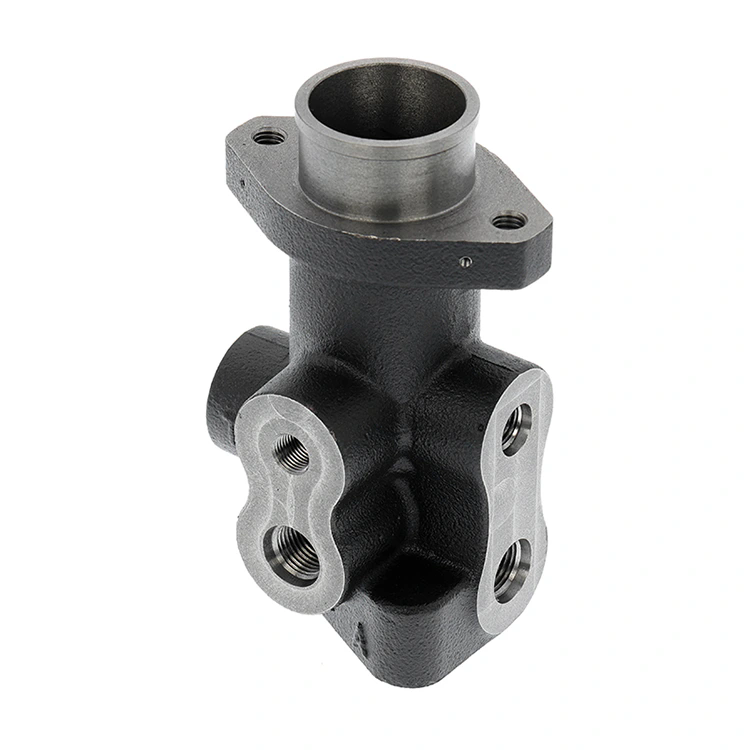
In this guide, we will explain how a brake proportioning valve functions, common problems drivers encounter, installation considerations, maintenance tips, and how high-quality manufacturing from Difon supports reliable braking system performance.
Table of Contents
- What Is a Brake Proportioning Valve?
- How Does a Brake Proportioning Valve Work?
- Why Is Brake Pressure Distribution Important?
- Common Symptoms of a Faulty Brake Proportioning Valve
- Types of Brake Proportioning Valves
- Applications Across Different Vehicles
- How to Choose the Right Valve
- Maintenance and Inspection Tips
- Why Choose Difon Brake Components?
- FAQ
- Conclusion
What Is a Brake Proportioning Valve?
A Brake Proportioning Valve is a hydraulic control device used in vehicle braking systems to regulate the pressure distributed between the front and rear brakes. Its primary purpose is to prevent the rear wheels from locking up during sudden or heavy braking.
Because most vehicles shift weight toward the front during deceleration, the front brakes naturally handle more braking force. Without proper pressure control, the rear brakes may receive excessive hydraulic pressure, causing instability, skidding, or dangerous loss of traction.
The valve automatically reduces rear brake pressure once hydraulic pressure exceeds a certain threshold, helping maintain balanced braking performance.
Key Function: Maintain proper front-to-rear brake force balance for safer and more stable vehicle control.
How Does a Brake Proportioning Valve Work?
During light braking, hydraulic pressure is distributed almost evenly between the front and rear brakes. However, during hard braking situations, the proportioning valve limits the pressure delivered to the rear brakes.
This pressure management process occurs automatically inside the valve through internal springs, pistons, and hydraulic channels.
| Braking Condition | Valve Action | Result |
|---|---|---|
| Normal Braking | Allows standard pressure flow | Balanced braking response |
| Heavy Braking | Restricts rear brake pressure | Prevents rear wheel lockup |
| Emergency Stops | Maintains pressure stability | Improves vehicle control |
This process significantly improves braking stability, especially on wet roads, uneven terrain, or during sudden braking maneuvers.
Why Is Brake Pressure Distribution Important?
Improper brake pressure distribution can create serious safety problems. When rear brakes lock before front brakes, the vehicle can fishtail or spin unexpectedly.
A properly functioning brake proportioning valve helps solve several common driver concerns:
- Improves directional stability during braking
- Reduces tire wear caused by uneven braking force
- Enhances stopping efficiency
- Increases safety on slippery roads
- Supports better handling under heavy loads
- Minimizes rear brake overheating
For commercial vehicles and performance vehicles, accurate brake pressure management becomes even more critical due to changing load distribution and higher braking demands.
Common Symptoms of a Faulty Brake Proportioning Valve
Like other hydraulic components, a brake proportioning valve can wear out over time due to corrosion, contamination, or internal seal failure.
Drivers and technicians should watch for the following warning signs:
| Symptom | Possible Cause |
|---|---|
| Rear wheels lock during braking | Valve not reducing pressure properly |
| Vehicle pulls during braking | Uneven hydraulic pressure distribution |
| Brake warning light appears | Hydraulic imbalance or valve malfunction |
| Reduced braking performance | Internal blockage or leakage |
| Fluid leaks near valve assembly | Seal deterioration or corrosion |
Ignoring these symptoms may increase stopping distance and compromise vehicle safety.
Types of Brake Proportioning Valves
Different vehicles require different types of brake proportioning valves depending on braking system design and performance requirements.
- Fixed Proportioning Valve: Uses preset pressure ratios for standard vehicle applications.
- Adjustable Proportioning Valve: Allows manual tuning of rear brake pressure, commonly used in racing and modified vehicles.
- Load-Sensing Valve: Adjusts pressure based on vehicle load conditions, often used in trucks and commercial vehicles.
- Combination Valve: Integrates multiple brake control functions into one assembly.
Selecting the correct type depends on vehicle weight, braking configuration, and operating conditions.
Applications Across Different Vehicles
Brake proportioning valves are widely used in numerous automotive and industrial sectors:
- Passenger cars
- Pickup trucks
- Commercial transport vehicles
- Off-road vehicles
- Racing vehicles
- Agricultural machinery
- Construction equipment
Each application requires precise hydraulic control to ensure stable braking under varying speed, weight, and terrain conditions.
Heavy-duty vehicles often require advanced proportioning systems because cargo weight distribution changes continuously during operation.
How to Choose the Right Valve
Choosing the correct brake proportioning valve directly affects braking performance and safety. Buyers should evaluate several technical factors before purchasing.
| Selection Factor | Why It Matters |
|---|---|
| Vehicle Weight | Affects brake pressure requirements |
| Brake System Design | Determines compatibility |
| Operating Environment | Influences material durability |
| Pressure Rating | Ensures stable hydraulic control |
| Material Quality | Improves corrosion resistance and lifespan |
Reliable manufacturers use precision machining and strict quality control to ensure long-term hydraulic stability.
Maintenance and Inspection Tips
Routine brake system maintenance helps prevent valve failure and extends component life.
- Inspect brake fluid regularly
- Check for hydraulic leaks
- Replace contaminated brake fluid
- Monitor brake pad wear patterns
- Inspect brake lines for corrosion
- Test braking stability during service inspections
Using clean, high-quality brake fluid is especially important because internal valve contamination can affect hydraulic performance.
Why Choose Difon Brake Components?
Difon focuses on precision manufacturing solutions for automotive brake system components. High-performance brake proportioning valves require accurate machining tolerances, reliable sealing performance, and durable materials capable of withstanding demanding operating conditions.
Difon emphasizes:
- Precision CNC machining technology
- Strict dimensional quality control
- Corrosion-resistant materials
- Stable hydraulic performance
- Long-term durability testing
- Customization support for various vehicle systems
These manufacturing standards help ensure consistent braking performance across different automotive applications.
FAQ
Q1: Can a bad brake proportioning valve cause brake lockup?
Yes. If the valve fails to reduce rear brake pressure properly, the rear wheels may lock during sudden braking.
Q2: Is an adjustable proportioning valve better?
Adjustable valves are useful for racing or customized vehicles where brake balance tuning is required. Standard vehicles often use fixed valves for factory-calibrated safety performance.
Q3: How long does a brake proportioning valve last?
Service life varies depending on driving conditions, maintenance quality, and brake fluid condition. Proper maintenance can significantly extend lifespan.
Q4: Can I drive with a faulty proportioning valve?
Driving with a malfunctioning valve is not recommended because braking stability and safety may be compromised.
Q5: What materials are commonly used in brake proportioning valves?
Manufacturers commonly use brass, steel, aluminum alloys, and corrosion-resistant internal components for durability and hydraulic reliability.
Conclusion
A high-quality Brake Proportioning Valve plays a vital role in maintaining braking stability, improving vehicle control, and enhancing overall driving safety. Whether used in passenger vehicles, commercial trucks, or performance applications, proper hydraulic pressure distribution is essential for reliable braking performance.
Choosing durable, precision-engineered brake components helps reduce maintenance risks and improves long-term operational reliability. With advanced machining capabilities and strict quality standards, Difon provides dependable solutions for modern braking systems.
Contact Us
Looking for reliable brake proportioning valve solutions for your automotive or industrial applications?
Difon offers precision manufacturing, customized support, and high-quality brake system components designed for durability and performance.