- English
- Español
- Português
- русский
- Français
- 日本語
- Deutsch
- tiếng Việt
- Italiano
- Nederlands
- ภาษาไทย
- Polski
- 한국어
- Svenska
- magyar
- Malay
- বাংলা ভাষার
- Dansk
- Suomi
- हिन्दी
- Pilipino
- Türkçe
- Gaeilge
- العربية
- Indonesia
- Norsk
- تمل
- český
- ελληνικά
- український
- Javanese
- فارسی
- தமிழ்
- తెలుగు
- नेपाली
- Burmese
- български
- ລາວ
- Latine
- Қазақша
- Euskal
- Azərbaycan
- Slovenský jazyk
- Македонски
- Lietuvos
- Eesti Keel
- Română
- Slovenski
- मराठी
- Srpski језик

How Does an Accumulator Charging Valve Work?
Article Summary: The accumulator charging valve is a critical component in hydraulic and pneumatic systems, ensuring smooth operation, maintaining pressure, and preventing damage to machinery. This article explains its working principles, key features, common issues, and maintenance tips. Whether you are a system designer, maintenance engineer, or machinery operator, understanding this component can save time, costs, and improve system efficiency.
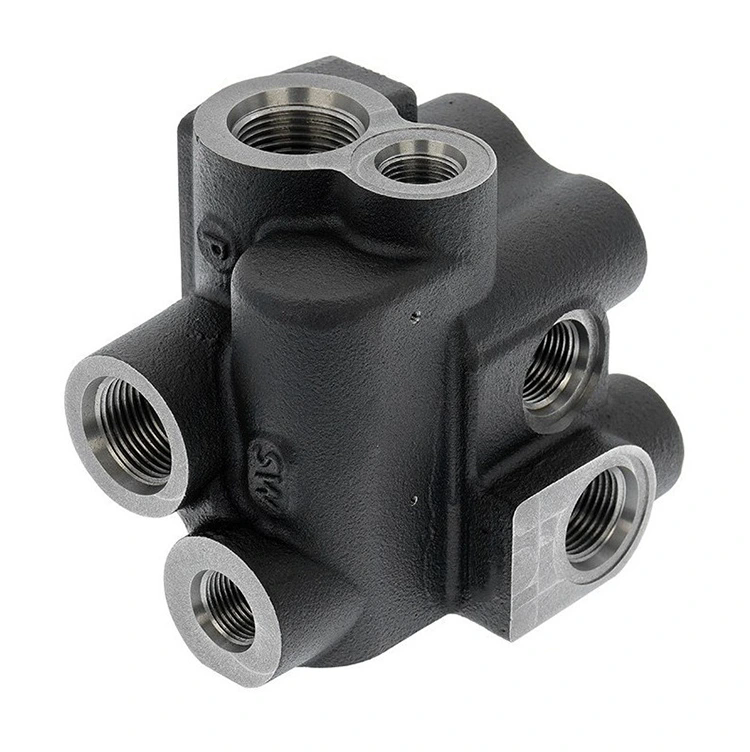
Table of Contents
- Introduction to Accumulator Charging Valves
- Working Principle of an Accumulator Charging Valve
- Types of Accumulator Charging Valves
- Applications in Hydraulic Systems
- Common Issues and Troubleshooting
- Maintenance Tips for Longevity
- Frequently Asked Questions
- Contact Difon Machinery Co., Ltd.
Introduction to Accumulator Charging Valves
An accumulator charging valve is a specialized valve used in hydraulic and pneumatic systems to control the flow of fluid into an accumulator. Accumulators store energy in the form of pressurized fluid, allowing for efficient system operation and pressure stabilization. Proper charging of an accumulator ensures optimal performance, reduces system shocks, and prevents costly equipment failures.
Companies like Difon Machinery Co., Ltd. design high-quality charging valves that meet industrial standards and provide reliable performance under demanding conditions.
Working Principle of an Accumulator Charging Valve
The primary function of an accumulator charging valve is to safely introduce hydraulic fluid into the accumulator while maintaining system pressure. Here's a simplified explanation of its working principle:
- Isolation: The valve prevents backflow from the accumulator to the hydraulic system.
- Controlled Charging: Fluid enters the accumulator gradually to avoid pressure spikes.
- Pressure Relief: Some valves include a built-in relief mechanism to protect the system from overpressure.
Charging valves typically feature a needle or spring mechanism that regulates the fluid flow, ensuring precise pressure control. Correct installation and calibration are essential for reliable operation.
Types of Accumulator Charging Valves
Charging valves come in several types depending on the application and system requirements. Common types include:
| Valve Type | Description | Key Application |
|---|---|---|
| Standard Needle Valve | Simple design, manual adjustment, reliable for small systems. | Industrial machinery and mobile hydraulics. |
| Pressure-Compensated Valve | Automatically maintains correct pressure while charging. | High-pressure hydraulic systems. |
| Relief-Assisted Valve | Includes integrated safety relief to prevent overcharging. | Critical systems where pressure fluctuations are dangerous. |
Applications in Hydraulic Systems
Accumulator charging valves are used in various hydraulic and pneumatic applications, including:
- Hydraulic presses and injection molding machines
- Energy storage in mobile equipment such as excavators and cranes
- Pressure stabilization in industrial fluid systems
- Shock absorption and system damping
In each application, the charging valve ensures precise fluid control, contributing to system efficiency and longevity.
Common Issues and Troubleshooting
Despite their robust design, accumulator charging valves can face operational problems. Common issues include:
- Leakage: Caused by worn seals or improper installation.
- Pressure Instability: Often due to incorrect valve setting or malfunctioning spring mechanisms.
- Blockages: Contaminants in the fluid can obstruct the valve.
Troubleshooting usually involves inspection, cleaning, and replacement of worn components. Choosing a reliable valve from a reputable manufacturer like Difon Machinery Co., Ltd. can minimize these risks.
Maintenance Tips for Longevity
Proper maintenance ensures the accumulator charging valve performs optimally for years. Recommended practices include:
- Regular inspection for leaks or damage
- Periodic cleaning of the valve and surrounding system
- Monitoring fluid quality and replacing contaminated fluids
- Calibration of pressure settings to match system requirements
Maintaining a schedule based on operating hours and pressure cycles prevents unexpected downtime and extends equipment life.
Frequently Asked Questions
- What is the main purpose of an accumulator charging valve?
- It safely controls the introduction of hydraulic fluid into the accumulator, ensuring stable system pressure.
- How do I know if my charging valve is malfunctioning?
- Signs include leaks, inconsistent system pressure, unusual noises, or sluggish system response.
- Can I install any charging valve in my system?
- No. It's important to choose a valve designed for your system's pressure, flow rate, and application. Manufacturers like Difon Machinery Co., Ltd. offer tailored solutions.
- How often should I maintain the valve?
- Regular inspection every 3-6 months is recommended, with maintenance adjusted based on usage intensity and system conditions.
Contact Difon Machinery Co., Ltd.
If you are seeking reliable, high-performance accumulator charging valves, Difon Machinery Co., Ltd. offers a complete range of products designed to improve hydraulic system efficiency and longevity. For detailed specifications, pricing, and expert consultation, contact us today and optimize your system performance with professional solutions.
Need custom hydraulic components? Get a quote in 24 hours → info@difon.cn