- English
- Español
- Português
- русский
- Français
- 日本語
- Deutsch
- tiếng Việt
- Italiano
- Nederlands
- ภาษาไทย
- Polski
- 한국어
- Svenska
- magyar
- Malay
- বাংলা ভাষার
- Dansk
- Suomi
- हिन्दी
- Pilipino
- Türkçe
- Gaeilge
- العربية
- Indonesia
- Norsk
- تمل
- český
- ελληνικά
- український
- Javanese
- فارسی
- தமிழ்
- తెలుగు
- नेपाली
- Burmese
- български
- ລາວ
- Latine
- Қазақша
- Euskal
- Azərbaycan
- Slovenský jazyk
- Македонски
- Lietuvos
- Eesti Keel
- Română
- Slovenski
- मराठी
- Srpski језик

How Does an Accumulator Charging Valve Ensure Hydraulic System Safety?
Article Summary
An accumulator charging valve is a critical component in hydraulic systems, directly influencing pressure control, system safety, and operational reliability. Incorrect charging, pressure loss, or incompatible valve selection can lead to equipment failure, safety hazards, and costly downtime. This comprehensive guide explains how an accumulator charging valve works, why it is essential, how to select the correct model, and how to avoid common operational mistakes.
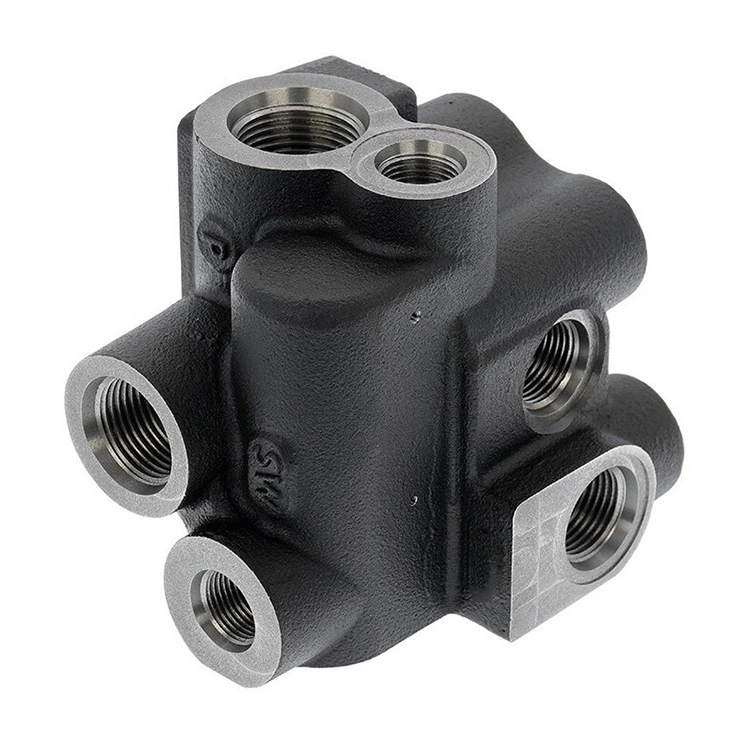
Table of Contents
- Accumulator Charging Valve Overview
- Why an Accumulator Charging Valve Matters
- Common Customer Pain Points
- Working Principle Explained
- Main Types of Accumulator Charging Valves
- How to Choose the Right Accumulator Charging Valve
- Installation and Operation Guidelines
- Technical Comparison Table
- Maintenance and Safety Considerations
- Typical Application Scenarios
- Frequently Asked Questions
- Conclusion and Contact Us
Accumulator Charging Valve Overview
An accumulator charging valve is designed to safely control the charging and discharging process of hydraulic accumulators. It regulates gas or fluid pressure during pre-charging, isolates the accumulator from the system when required, and prevents uncontrolled pressure release. In modern hydraulic systems, the accumulator charging valve serves as both a protective and functional interface between the accumulator and the hydraulic circuit.
Without a properly selected accumulator charging valve, even a high-quality accumulator can become a source of instability or safety risk. Difon Machinery Co., Ltd. focuses on manufacturing accumulator charging valves that meet strict performance, sealing, and durability standards to support stable hydraulic operation.
Why an Accumulator Charging Valve Matters
Hydraulic accumulators store energy under pressure, making controlled charging and discharging essential. The accumulator charging valve ensures this control by managing pressure transitions accurately and safely.
- Prevents overcharging and excessive pressure buildup
- Maintains correct pre-charge pressure for system efficiency
- Protects maintenance personnel during servicing
- Improves overall hydraulic system stability
- Extends the service life of the accumulator
A reliable accumulator charging valve reduces system risk while improving operational consistency, especially in high-pressure or cyclic applications.
Common Customer Pain Points
Customers frequently experience performance and safety issues related to improper accumulator charging valve selection or usage. These challenges often arise during system upgrades or maintenance.
- Difficulty maintaining stable pre-charge pressure
- Gas leakage due to poor sealing performance
- Incompatibility with accumulator thread or interface standards
- Unsafe pressure release during manual charging
- Valve failure under high-pressure or vibration conditions
Addressing these pain points requires both correct valve design and a clear understanding of system requirements.
Working Principle Explained
The accumulator charging valve functions as a controlled gateway between the charging source and the accumulator. During charging, the valve allows gas or fluid to enter the accumulator gradually, enabling precise pressure adjustment. Once the target pressure is reached, the valve isolates the accumulator to prevent backflow or pressure loss.
During maintenance or emergency situations, the accumulator charging valve can safely release pressure in a controlled manner. This controlled behavior minimizes risk and ensures compliance with industrial safety practices.
Main Types of Accumulator Charging Valves
Accumulator charging valves are available in several configurations to suit different system designs and operating conditions.
- Manual Charging Valves – Suitable for controlled, low-frequency charging operations
- Integrated Charging Valve Blocks – Combine isolation, pressure measurement, and safety functions
- High-Pressure Charging Valves – Designed for heavy-duty hydraulic systems
- Quick-Connect Charging Valves – Enable efficient servicing and maintenance
Difon Machinery Co., Ltd. offers multiple accumulator charging valve designs to match various accumulator standards and system pressures.
How to Choose the Right Accumulator Charging Valve
Selecting the correct accumulator charging valve requires a structured evaluation of system parameters and operational demands.
- Maximum working pressure of the hydraulic system
- Accumulator type and interface specification
- Required charging accuracy and pressure range
- Environmental factors such as temperature and vibration
- Maintenance frequency and accessibility
Choosing a valve that aligns with these criteria reduces operational risk and ensures long-term reliability.
Installation and Operation Guidelines
Proper installation is essential for accumulator charging valve performance. Incorrect installation can compromise sealing and pressure control.
- Verify compatibility between valve and accumulator threads
- Ensure all connections are clean and free from debris
- Use calibrated pressure gauges during charging
- Follow gradual charging procedures to avoid pressure shock
- Perform leak testing after installation
Standardized installation procedures help maintain system integrity and operator safety.
Technical Comparison Table
| Valve Type | Pressure Range | Key Features | Typical Use |
|---|---|---|---|
| Manual Charging Valve | Medium | Simple structure, cost-effective | General hydraulic systems |
| Integrated Valve Block | High | Multiple safety functions | Industrial machinery |
| High-Pressure Valve | Very High | Reinforced sealing and materials | Heavy-duty applications |
Maintenance and Safety Considerations
Regular inspection and maintenance of the accumulator charging valve are necessary to ensure continued safety and performance.
- Inspect seals and O-rings for wear
- Check pressure stability during operation
- Replace damaged components promptly
- Follow safe depressurization procedures
A well-maintained accumulator charging valve reduces unexpected downtime and protects both equipment and personnel.
Typical Application Scenarios
Accumulator charging valves are widely used in systems where pressure stability and safety are critical.
- Hydraulic presses and forming equipment
- Construction and mining machinery
- Energy storage hydraulic systems
- Industrial automation lines
- Marine and offshore hydraulic equipment
Frequently Asked Questions
What is the main purpose of an accumulator charging valve?
It controls the safe charging and isolation of hydraulic accumulators, ensuring stable pressure and system safety.
Can one accumulator charging valve fit all accumulators?
No. Compatibility depends on pressure rating, interface standards, and system requirements.
How often should an accumulator charging valve be inspected?
Inspection frequency depends on operating conditions, but regular checks during scheduled maintenance are recommended.
What happens if the accumulator is overcharged?
Overcharging can damage the accumulator and pose serious safety risks, which is why a reliable charging valve is essential.
Conclusion and Contact Us
An accumulator charging valve is a vital safeguard in hydraulic systems, ensuring controlled pressure management, operational stability, and personnel safety. By understanding its function, selecting the correct type, and following proper installation and maintenance practices, users can significantly reduce system risk and improve performance.
Difon Machinery Co., Ltd. specializes in high-quality accumulator charging valve solutions engineered for reliability and precision. If you require technical support, product customization, or professional guidance for your hydraulic system, contact us today to learn how Difon Machinery Co., Ltd. can help optimize your application.