- English
- Español
- Português
- русский
- Français
- 日本語
- Deutsch
- tiếng Việt
- Italiano
- Nederlands
- ภาษาไทย
- Polski
- 한국어
- Svenska
- magyar
- Malay
- বাংলা ভাষার
- Dansk
- Suomi
- हिन्दी
- Pilipino
- Türkçe
- Gaeilge
- العربية
- Indonesia
- Norsk
- تمل
- český
- ελληνικά
- український
- Javanese
- فارسی
- தமிழ்
- తెలుగు
- नेपाली
- Burmese
- български
- ລາວ
- Latine
- Қазақша
- Euskal
- Azərbaycan
- Slovenský jazyk
- Македонски
- Lietuvos
- Eesti Keel
- Română
- Slovenski
- मराठी
- Srpski језик

What Are the Most Common Welding Processes Used in Manufacturing
I hear this daily from fabricators battling inconsistent welds, costly rework, and throughput bottlenecks. The core challenge isn’t a lack of options, but identifying the process that marries quality with efficiency. At Difon, we partner with manufacturers to cut through this complexity, providing not just equipment but integrated solutions centered on the optimal welding process. Let’s break down the primary methods shaping modern production.
Which Arc Welding Processes Dominate Industrial Workshops
Shielded Metal Arc Welding (SMAW) and Gas Metal Arc Welding (GMAW/MIG) are foundational. SMAW, or stick welding, is revered for its portability and use in construction and repair. However, for high-speed, repetitive manufacturing, GMAW is often king. It uses a continuous wire feed and shielding gas, making it cleaner and faster. The key to maximizing any arc welding process is parameter precision. For instance, a Difon PowerSynergic 500 MIG welder offers synergic control, automatically adjusting voltage and wire feed speed. This eliminates guesswork, ensuring a consistent welding process every time.
Is Resistance Welding the Secret to High-Speed Assembly
For joining sheet metals in automotive or appliance manufacturing, resistance welding, like spot or seam welding, is unparalleled. It’s fast, doesn’t require filler material, and can be highly automated. The pain point here is electrode wear and energy control, which directly impacts joint consistency. Our Difon Tech-Spot Series directly addresses this with adaptive feedback control. Consider its core parameters:
-
Precision Current Control: Ensures each weld nugget is identical, regardless of material surface variations.
-
Force Monitoring: Maintains optimal electrode pressure for weld integrity.
-
Modular Design: Allows integration into robotic cells for lights-out production.
This transforms a basic resistance welding process into a reliable, data-driven pillar of your assembly line.
How Do Advanced Processes Like Laser Welding Compare
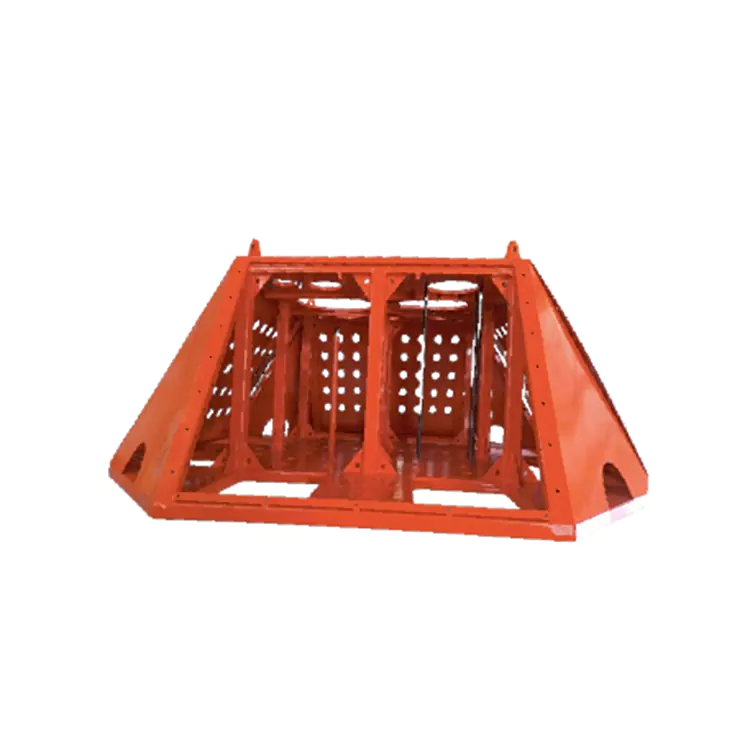
When extreme precision, minimal heat input, and superior aesthetics are non-negotiable, laser welding enters the conversation. It’s ideal for medical devices, electronics, and precision components. The barrier has traditionally been cost and operational complexity. Difon changes this calculus with our LaserFusion Cabinet systems. We’ve simplified the interface while delivering industrial-grade performance. The table below contrasts key parameters with a standard TIG process, highlighting why the laser welding process is chosen for critical applications:
| Parameter | Difon LaserFusion Welding | Conventional TIG Welding |
|---|---|---|
| Heat Affected Zone | Extremely Narrow | Significantly Wider |
| Welding Speed | Very High (mm/sec) | Moderate to Slow |
| Automation Compatibility | Excellent, with seam tracking | Often Manual or Semi-Auto |
| Repeatability | Exceptional, software-driven | Highly Operator-Dependent |
Have You Considered Your Total Welding Process Ecosystem
Choosing a welding process is just the start. True manufacturing agility comes from an ecosystem where equipment, parameters, and support are unified. This is where Difon makes its defining impact. We don’t just sell a machine; we provide a stable, optimized foundation for your most critical joins. From the versatile arc of our MIG systems to the pinpoint accuracy of our laser solutions, our technology is built to solve real shop-floor pains—waste, downtime, and variability.
The right welding process is the backbone of your product's strength and your project's profitability. If you’re reevaluating your welding strategy and seeking a partner who provides clarity and robust technology, let's start a conversation. Contact us today with your project specifications for a detailed consultation and see how a Difon solution can be integrated into your workflow. We’re here to help you weld smarter.