- English
- Español
- Português
- русский
- Français
- 日本語
- Deutsch
- tiếng Việt
- Italiano
- Nederlands
- ภาษาไทย
- Polski
- 한국어
- Svenska
- magyar
- Malay
- বাংলা ভাষার
- Dansk
- Suomi
- हिन्दी
- Pilipino
- Türkçe
- Gaeilge
- العربية
- Indonesia
- Norsk
- تمل
- český
- ελληνικά
- український
- Javanese
- فارسی
- தமிழ்
- తెలుగు
- नेपाली
- Burmese
- български
- ລາວ
- Latine
- Қазақша
- Euskal
- Azərbaycan
- Slovenský jazyk
- Македонски
- Lietuvos
- Eesti Keel
- Română
- Slovenski
- मराठी
- Srpski језик

The Future Development Directions and Market Prospects of Hydraulic Systems
Higher Pressure and Higher Power Density Will Become the Core Direction
Industrial automation demands keep rising, and equipment connects in more ways these days. Hydraulic systems move past the old ways of handling pressure and flow. They shift to smarter control that relies on sensors, edge computing, and better algorithms. People expect digital valves, smart pumps, and hydraulic units that diagnose issues on their own to bring real improvements. Efficiency goes up, operations stay more stable, and maintenance gets predicted ahead of time. High Energy Efficiency and Low-Carbon Development as Key DriversGlobal goals to cut carbon push things along faster. They drive a change to hydraulic systems that use less energy overall. Developers focus on better variable pump tech, modules that recover energy, and parts built to leak as little as possible. Hybrid electro hydraulic setups and actuation methods look set to take a bigger slice of the market soon.
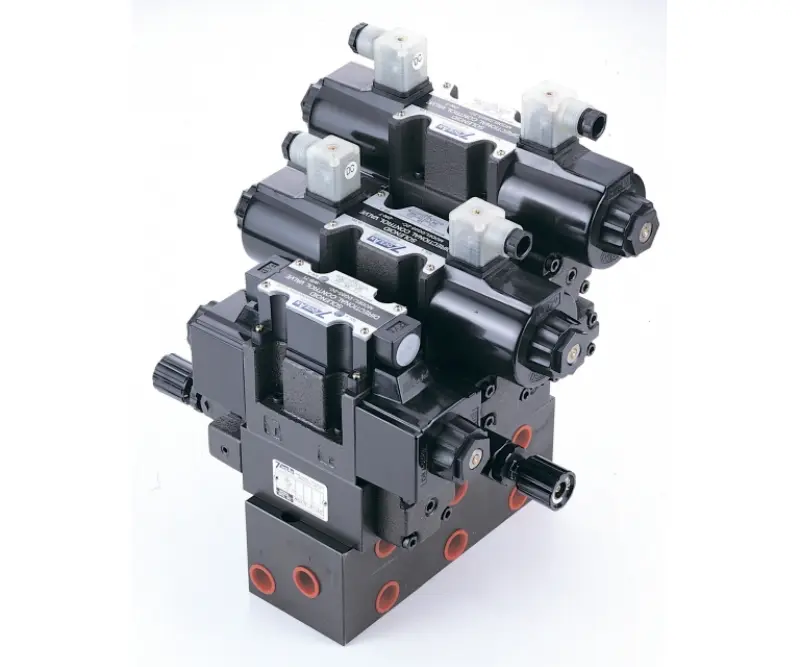
Mechatronic Integration Is Reshaping Traditional Hydraulic Architectures
Motor control improves, power electronics advance, and servo tech gets stronger. All this pulls hydraulic and electrical systems closer together. Pump controlled actuators work well in setups like that. Electro hydraulic closed loop servo systems do too. They offer quicker responses, more accurate moves, and higher power in less space. Construction machines and high end manufacturing see the most benefit from these.
Higher Reliability and Self-Maintenance Capabilities Strengthen Competitiveness Hydraulic systems in the future keep pushing limits on high pressure strength. They build better resistance to dirt and contaminants. Seals last longer, and parts handle fatigue without breaking down as fast. Cloud monitoring and remote checks support key components. That cuts downtime in operations. Assemblies with self adjustment features and failure predictions turn into common choices for top markets.
Stable Market Growth with a Shift Toward High-End Segments
Automation upgrades help manufacturing worldwide. Demand holds steady in construction gear, robotics, aerospace, and energy tools. The hydraulic market grows at a solid pace because of all that. Components for high pressure, precision, and quick response keep winning more share. China leads in tech and demand, along with the U.S., Germany, and Japan.
Specialized Applications Drive Customized and Modular Solutions
Mining operations need custom hydraulic setups more than before. Offshore engineering calls for them too. Heavy machinery and new energy equipment follow the same trend. Solutions coming up get more modular and tied together. Piping needs drop, assembly speeds up, and they adapt better to harsh conditions out there.