- English
- Español
- Português
- русский
- Français
- 日本語
- Deutsch
- tiếng Việt
- Italiano
- Nederlands
- ภาษาไทย
- Polski
- 한국어
- Svenska
- magyar
- Malay
- বাংলা ভাষার
- Dansk
- Suomi
- हिन्दी
- Pilipino
- Türkçe
- Gaeilge
- العربية
- Indonesia
- Norsk
- تمل
- český
- ελληνικά
- український
- Javanese
- فارسی
- தமிழ்
- తెలుగు
- नेपाली
- Burmese
- български
- ລາວ
- Latine
- Қазақша
- Euskal
- Azərbaycan
- Slovenský jazyk
- Македонски
- Lietuvos
- Eesti Keel
- Română
- Slovenski
- मराठी
- Srpski језик

Why Is Sheet Metal Fabrication Important in Modern Manufacturing
This in-depth article answers critical questions around Sheet Metal Fabrication — what it is, how it works, the key steps involved, advantages for industries, real-world use cases, and why choosing a reliable partner like Difon can elevate your manufacturing outcomes. We’ll also cover common FAQs and practical insights based on industry knowledge and trends.
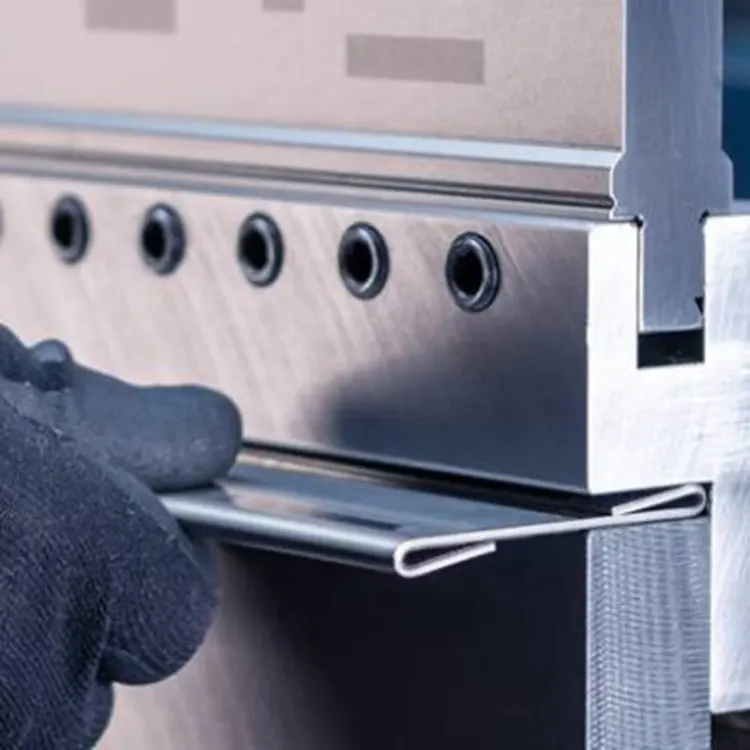
Table of Contents
What Is Sheet Metal Fabrication?
Sheet Metal Fabrication is the process of transforming flat metal sheets into functional parts and structures through cutting, bending, forming, joining, and finishing. These activities produce precision components used across industries such as automotive, aerospace, industrial equipment, and electronics. The manufacturing workflow encompasses a wide range of techniques — each selected based on part geometry, material, and production requirements.
Metal sheets originally start as raw stock — typically steel, aluminum, copper, or other alloys — which are then shaped into parts with defined tolerances, surface traits, and mechanical properties. At scale, advanced CNC machines and laser cutting tools deliver repeatable accuracy and efficiency, ensuring components meet specification demands.
Why Choose Sheet Metal Fabrication?
There are multiple compelling reasons manufacturers favor sheet metal fabrication, including:
- Strength and Durability – Fabricated parts retain metal strength and can withstand pressure, heat, and environmental stress.
- Customization – Designs can be tailored to exact specifications for bespoke engineering solutions.
- Precision & Accuracy – CNC and CAD integration ensures components meet tight tolerances.
- Cost-Effectiveness – Efficient production minimizes waste and value per part decreases with volume.
- Lightweight Yet Strong – Particularly with aluminum, parts offer high strength-to-weight ratios.
What Are the Core Sheet Metal Fabrication Processes?
The fabrication journey involves distinct phases. Below is a high-level view:
| Process | Description |
|---|---|
| Cutting | Laser, plasma, waterjet, or shearing cuts sheets into precise outlines. |
| Bending | Press brakes and tooling form angles and structural folds. |
| Punching | Creating holes or slots via controlled tooling. |
| Forming | Shapes the sheet into 3D contours or profiles. |
| Joining | Welding, riveting, or fastening connects parts together. |
| Finishing | Coating, polishing, or plating enhances corrosion resistance & aesthetics. |
These process steps evolve with technology and complexity of components — often combining automated CNC tools and experienced engineering oversight to ensure quality.
What Materials & Applications Are Common in Sheet Metal Fabrication?
Common sheet metals include:
- Stainless Steel — When corrosion resistance and strength are required.
- Aluminum — Lightweight and excellent for aerospace and automotive uses.
- Copper & Brass — Used where electrical or thermal conductivity matters.
Typical application areas:
- Industrial enclosures and brackets
- Automotive frames and panels
- Aerospace structural components
- HVAC systems and ductwork
- Consumer electronics housings
How Does Sheet Metal Fabrication Compare to Other Methods?
Compared with casting or additive manufacturing, sheet metal fabrication is:
- Faster for High Volume — Lead times improve through repeatable CNC workflows.
- Lower Cost per Unit — Especially in medium to large batches.
- More Sustainable — Metal sheets are recyclable and generate less waste.
How Difon Excels in Sheet Metal Fabrication
Difon is a leading manufacturer and supplier specializing in precision sheet metal solutions. With over a decade of experience, Difon combines CNC bending, laser cutting, and advanced forming techniques to deliver custom components that meet exact specifications.
Key capabilities include:
| Service | Applications |
|---|---|
| Laser Cutting | Complex outlines and high-precision geometries. |
| CNC Bending | Structural panels and precision fixture parts. |
| Hemming & Stiffening | Edge finishing and reinforcement. |
Working with an expert like Difon ensures optimized production flow, minimal material waste, and adherence to engineering tolerances that matter most to OEMs and designers.
Frequently Asked Questions (FAQ)
1. What thickness range can be processed in sheet metal fabrication?
Manufacturers typically work with sheets from fractions of a millimeter up to several millimeters thick — depending on equipment limits and material properties.
2. Is sheet metal fabrication suitable for prototypes?
Yes, sheet metal fabrication supports rapid prototyping with CNC and laser tools allowing quick design iterations.
3. How do tolerances affect part quality?
Tighter tolerances might require more advanced tooling and inspection steps to ensure precision, but they result in better part fit and performance.
Conclusion & Next Steps
In summary, Sheet Metal Fabrication is a versatile, precise, and cost-effective part manufacturing method that powers modern industry. From concept to production, choosing the right fabrication partner is crucial for achieving product performance, quality, and delivery timelines. If you’re considering precision sheet metal solutions for your next project, partnering with an experienced provider like Difon can make the difference.
Contact Us today to discuss your specific needs and see how Difon’s expertise in sheet metal fabrication can elevate your manufacturing outcomes and help you bring your designs to life.