- English
- Español
- Português
- русский
- Français
- 日本語
- Deutsch
- tiếng Việt
- Italiano
- Nederlands
- ภาษาไทย
- Polski
- 한국어
- Svenska
- magyar
- Malay
- বাংলা ভাষার
- Dansk
- Suomi
- हिन्दी
- Pilipino
- Türkçe
- Gaeilge
- العربية
- Indonesia
- Norsk
- تمل
- český
- ελληνικά
- український
- Javanese
- فارسی
- தமிழ்
- తెలుగు
- नेपाली
- Burmese
- български
- ລາວ
- Latine
- Қазақша
- Euskal
- Azərbaycan
- Slovenský jazyk
- Македонски
- Lietuvos
- Eesti Keel
- Română
- Slovenski
- मराठी
- Srpski језик

How Does a Charging Valve Work?
Summary: Charging valves play a crucial role in hydraulic systems, allowing precise fluid control under high-pressure conditions. This article explores the design, function, applications, and maintenance tips for charging valves, helping engineers and operators make informed decisions. Discover how Difon's total solution approach ensures reliability, performance, and cost efficiency in charging valve manufacturing.
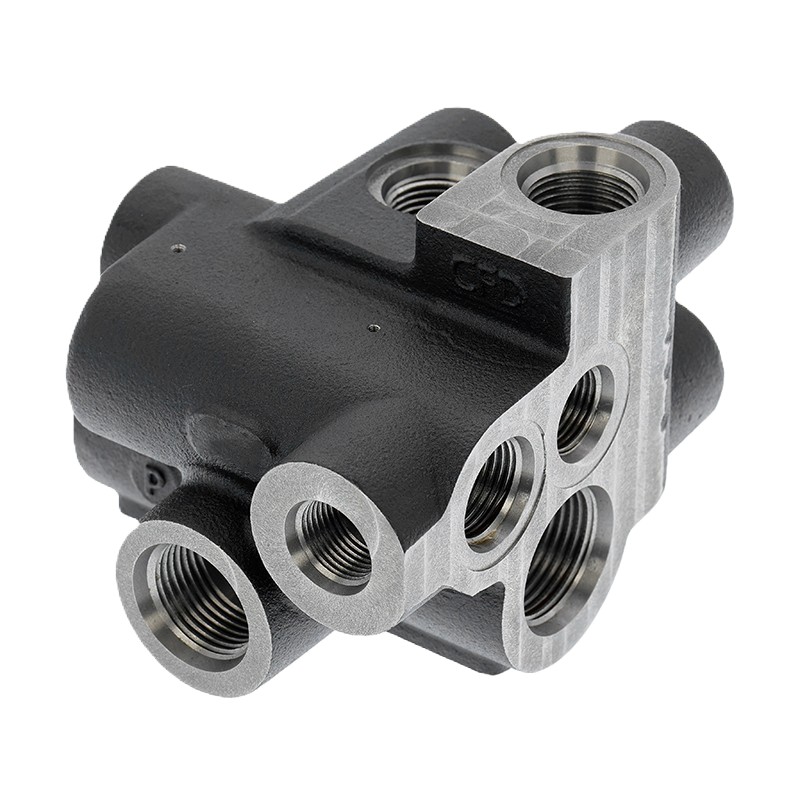
Table of Contents
- What is a Charging Valve?
- How Does a Charging Valve Work?
- Types of Charging Valves
- Applications of Charging Valves
- Tips for Choosing the Right Charging Valve
- Maintenance and Troubleshooting
- FAQ
- Contact Difon
What is a Charging Valve?
A charging valve is a specialized component in hydraulic and pneumatic systems used to control the flow of fluid into accumulators or other high-pressure circuits. By regulating pressure and ensuring a secure seal, charging valves prevent leaks and maintain system efficiency.
Key Features
- High-pressure resistance
- Precision sealing
- Durable materials such as alloy steel, stainless steel, and aluminum
- Customizable surface treatments including zinc plating and anodizing
How Does a Charging Valve Work?
The working principle of a charging valve relies on controlled fluid entry. When a hydraulic accumulator requires pressurization, the valve opens to allow fluid in, then closes to prevent backflow. Difon’s precision manufacturing ensures micron-level accuracy for seamless operation.
Step-by-Step Operation
- Fluid Intake: The valve opens under system pressure.
- Pressure Regulation: The valve modulates the flow to prevent overpressurization.
- Sealing: High-precision threads and surface treatments ensure leak-free performance.
- Fluid Isolation: Once filled, the valve closes automatically.
Types of Charging Valves
| Type | Description | Common Material |
|---|---|---|
| Manual Charging Valve | Requires operator action to control fluid flow. | Alloy Steel, Stainless Steel |
| Automatic Charging Valve | Operates automatically based on system pressure. | Carbon Steel, Aluminum |
| High-Pressure Charging Valve | Designed for industrial applications requiring extreme pressure tolerance. | Forged Steel, Brass |
Applications of Charging Valves
Charging valves are essential in diverse industries where hydraulic efficiency and safety are critical:
- Construction machinery
- Hydraulic presses and robotics
- Medical equipment hydraulics
- Wind power systems
- Automotive high-pressure circuits
Tips for Choosing the Right Charging Valve
Selecting a charging valve requires careful consideration of system requirements. Here are key tips:
- Understand the operating pressure range.
- Choose compatible materials to resist corrosion and wear.
- Consider precision machining for critical applications.
- Evaluate surface treatment options for longevity.
- Partner with manufacturers like Difon for a total solution from raw blank to final surface treatment.
Maintenance and Troubleshooting
Proper maintenance extends the life of a charging valve and ensures system reliability. Key practices include:
- Regular inspection for leaks and wear.
- Cleaning and lubrication of moving parts.
- Replacing worn seals or threads promptly.
- Monitoring system pressure to prevent valve fatigue.
Common Issues
- Leakage: Often caused by damaged seals or improper installation.
- Sticking Valve: Debris or insufficient lubrication may prevent proper operation.
- Pressure Fluctuations: Can result from incorrect valve selection or system misalignment.
FAQ
Q: What materials are available for charging valves?
A: Difon provides forged alloy steel, stainless steel, aluminum, carbon steel, and brass based on application requirements.
Q: Can charging valves handle high-pressure systems?
A: Yes, Difon’s charging valves are designed for high-pressure resistance, verified through precision machining and surface treatment processes.
Q: Do you offer custom solutions?
A: Difon specializes in one-stop custom manufacturing, controlling the entire process from blank to final surface treatment to meet your specifications.
Contact Difon
For superior charging valves that deliver high pressure resistance and precise operation, trust Difon’s total solution manufacturing. Contact us today to discuss your custom project and request a quote.