Summary
Hydraulic valve blocks are essential components in modern hydraulic systems, playing a crucial role in directing fluid flow, regulating pressure, and enhancing system performance. This article explores how hydraulic valve blocks work, their types, benefits, common issues, and maintenance practices. By understanding these key aspects, engineers and operators can maximize the efficiency, safety, and longevity of their hydraulic systems.
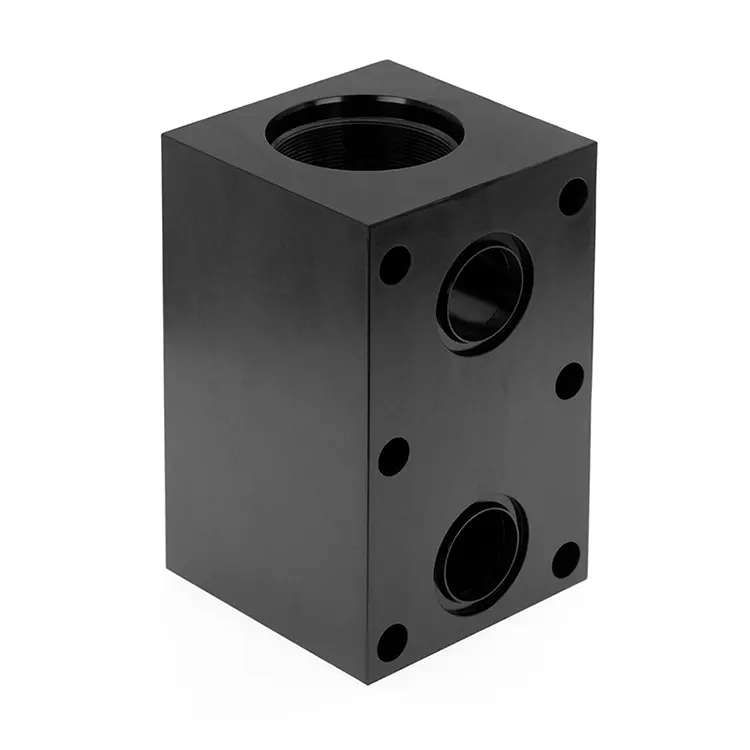
What is a Hydraulic Valve Block?
A hydraulic valve block is a compact manifold assembly that integrates multiple valves and flow channels into a single unit. It serves as the central hub for controlling the direction, pressure, and flow of hydraulic fluid within a system. By consolidating multiple valves into one block, it reduces space requirements, simplifies piping, and improves overall system reliability.
Hydraulic valve blocks are widely used in industrial machinery, construction equipment, agricultural machinery, and automated production lines. Their ability to streamline hydraulic circuits makes them invaluable for applications that demand precision and efficiency.
Types of Hydraulic Valve Blocks
Hydraulic valve blocks come in different designs to suit various system requirements. The following table summarizes the common types:
|
Type
|
Description
|
Applications
|
|
Directional Control Valve Block
|
Controls the direction of hydraulic fluid to actuators or motors.
|
Excavators, presses, and industrial machinery
|
|
Pressure Control Valve Block
|
Maintains system pressure within safe limits and prevents overload.
|
Hydraulic presses, injection molding machines
|
|
Flow Control Valve Block
|
Regulates the flow rate of hydraulic fluid to achieve desired speed.
|
Conveyor systems, automated production lines
|
|
Custom Multi-Valve Block
|
Combines multiple valve functions in a single compact manifold.
|
Specialized industrial machines and robotics
|
Benefits of Using Hydraulic Valve Blocks
-
Space Efficiency: Integrates multiple valves into a compact unit, reducing the need for extensive piping.
-
Improved Reliability: Minimizes leak points and enhances system durability.
-
Ease of Maintenance: Simplified layout allows faster inspections and replacements.
-
Cost Savings: Reduced labor and material costs due to fewer connections and simplified installation.
-
Customizable Design: Can be tailored to specific applications with different valve types and configurations.
Common Issues and Troubleshooting
Despite their reliability, hydraulic valve blocks may experience issues if not properly maintained. Here are common problems and solutions:
-
Leakage: Caused by worn seals or improper assembly. Solution: Inspect seals and replace if necessary.
-
Pressure Drop: Occurs due to clogged flow channels. Solution: Clean or flush the system.
-
Valve Sticking: Due to contamination or corrosion. Solution: Regularly filter hydraulic fluid and lubricate moving parts.
-
Overheating: Caused by excessive load or high flow resistance. Solution: Ensure system is operating within rated specifications.
Maintenance Best Practices
Proper maintenance of hydraulic valve blocks ensures long-term performance and prevents costly downtime. Key practices include:
-
Regular inspection of seals, bolts, and mounting hardware.
-
Using clean, filtered hydraulic fluids to prevent contamination.
-
Periodic flushing of the valve block channels to remove debris.
-
Monitoring system pressure and temperature for early detection of issues.
-
Keeping spare valves and components on hand for quick replacement.
Frequently Asked Questions
Q1: How do I choose the right hydraulic valve block?
Select a valve block based on system pressure, flow requirements, and the type of control needed. Qingdao Difon Machinery Co., Ltd. can provide guidance and customized solutions.
Q2: Can a hydraulic valve block be modified later?
Yes, modular blocks allow adding or replacing valves without major system changes.
Q3: How long does a hydraulic valve block typically last?
With proper maintenance and clean hydraulic fluid, a valve block can last several years, even under heavy-duty operations.
