- English
- Español
- Português
- русский
- Français
- 日本語
- Deutsch
- tiếng Việt
- Italiano
- Nederlands
- ภาษาไทย
- Polski
- 한국어
- Svenska
- magyar
- Malay
- বাংলা ভাষার
- Dansk
- Suomi
- हिन्दी
- Pilipino
- Türkçe
- Gaeilge
- العربية
- Indonesia
- Norsk
- تمل
- český
- ελληνικά
- український
- Javanese
- فارسی
- தமிழ்
- తెలుగు
- नेपाली
- Burmese
- български
- ລາວ
- Latine
- Қазақша
- Euskal
- Azərbaycan
- Slovenský jazyk
- Македонски
- Lietuvos
- Eesti Keel
- Română
- Slovenski
- मराठी
- Srpski језик
Products




Hydraulic Valve Block
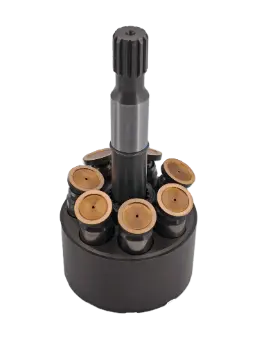
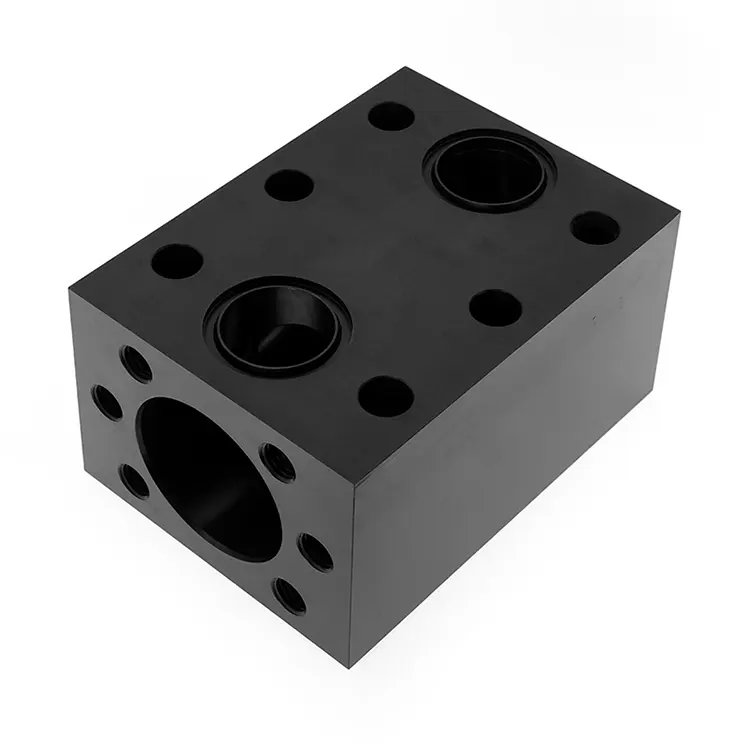
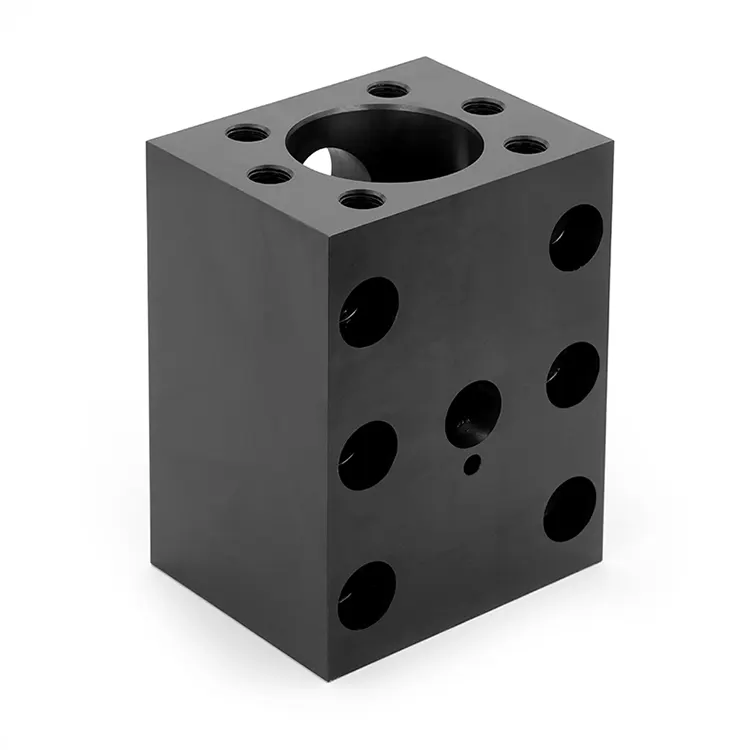
Manufacturers that make agricultural machinery, mining equipment, and industrial hydraulic systems often need reliable hydraulic valve blocks. These blocks hold multiple valve ports, control fluid flow, and keep system pressure steady. Difon Machinery Co., Ltd. is a professional factory that makes custom hydraulic valve blocks.
Send Inquiry
Product Description
Precision Machining for Hydraulic Valve Blocks at Difon Machinery
Manufacturers that make agricultural machinery, mining equipment, and industrial hydraulic systems often need reliable hydraulic valve blocks. These blocks hold multiple valve ports, control fluid flow, and keep system pressure steady. Difon Machinery Co., Ltd. is a professional factory that makes custom hydraulic valve blocks. Our main skill is precision machining of these valve blocks—we can get dimensional tolerances as tight as 0.002mm. This precision is key to stopping fluid leaks, making sure valves line up right, and preventing pressure drops in high-performance hydraulic systems. We don’t just machine parts, either—we help with everything from making raw material blanks to adding surface treatments (like anodizing, zinc plating, or passivation). This simplifies your supply chain, so you don’t have to work with multiple vendors. If you choose Difon as your custom hydraulic valve block factory, you get a partner that turns your system’s unique needs into durable, precise blocks. Need 10 prototypes for testing? Or 1000+ for mass assembly? We can handle both—whether your system is for high-pressure mining gear or small agricultural machines. Last year, a mining client told us their old valve blocks leaked so much they had to stop operations twice a month—our precision blocks cut that downtime to zero.
Difon Hydraulic valve blocks are the “center” of hydraulic systems. Even small mistakes in valve block specs can cost you a lot. A seal groove that’s just 0.003mm too big can make hydraulic fluid leak. That means frequent maintenance, and for outdoor gear like farm tractors, it might harm the environment. An oil passage drilled 0.005mm off-center can stir up fluid. This makes the system less efficient and uses more fuel in mining trucks. Lots of generic suppliers can’t hit these tight tolerances. They use old machining tools that can’t handle the complex, multi-port designs of modern valve blocks, or they skip important checks after machining. At Difon, we treat every valve block like it’s critical to your work. First, we work with your engineering team to learn your system’s specs: max pressure (up to 40MPa for heavy-duty use), how thick the fluid is, and how it connects to pumps, cylinders, and control valves. Then we tweak our machining process to meet these needs. For example, if your valve block is for a small agricultural sprayer (where space is tight), we’ll make the block smaller to fit but keep the necessary oil passages and valve ports—no loss in performance.
Our good reputation as a trusted custom Difon hydraulic valve block factory comes from two things: we use advanced precision machining tools, and we know how to handle different materials. We pick raw materials based on your system’s environment and performance needs—each material balances strength, corrosion resistance, and how easy it is to machine. The table below shows our main material choices and how we adjust our machining to make them work best:

|
Material Type |
Good Things for Hydraulic Systems |
How We Make Machining Better |
Industries We Use Them For |
|
45# Carbon Steel |
Strong (can handle ≥800MPa pressure), affordable for regular use |
Use TiAlN-coated carbide tools to avoid tool wear; heat-treat after machining to reduce stress |
Industrial hydraulic presses, small construction machines |
|
316 Stainless Steel |
Resists rust well (great for wet, humid places) |
Cut slowly (60–100m/min) to stop the metal from getting too hard; use coolant with anti-rust additives |
Marine hydraulic systems, food-processing machines |
|
20CrNiMo Alloy Steel |
Handles repeated pressure cycles well (won’t wear out fast) |
Heat-treat before machining (to HRC 30–35) to make it harder; use high-precision reamers for oil passages |
Mining trucks, heavy-duty agricultural machinery |
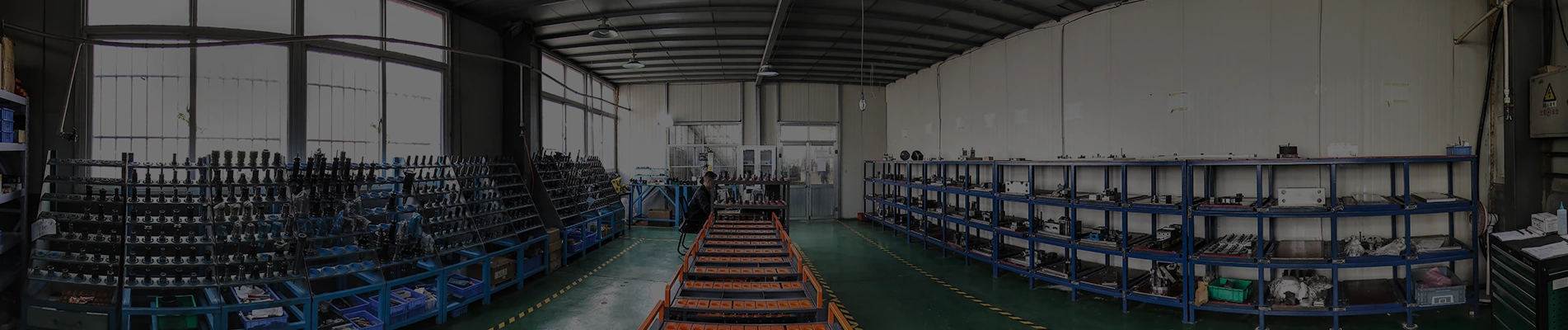
We use five-axis CNC machining centers to make these Difon hydraulic valve blocks—many other custom valve block factories still use three-axis machines. Five-axis machines let us reach all sides of the valve block in one go—no need to clamp it again and again, which usually causes alignment mistakes. For example, when machining a valve block with 8 valve ports, 6 internal oil passages (4mm to 18mm wide), and 12 mounting holes, the five-axis machine spins the block on two axes (A and C) while moving the cutting tool along X, Y, Z axes. This makes sure every port is drilled, bored, and tapped exactly like the design. It also keeps each oil passage smooth (Ra ≤ 0.8μm) to cut down on fluid friction. We also use real-time tool monitors: sensors on the machine track how worn tools are and how much force they’re using. If a tool is getting too worn, the machine adjusts settings or alerts operators. This stops “tool drift”—a common reason tolerances go wrong—and makes sure every valve block in a batch is consistent.
While precision machining is our main service, we also help with everything from making blanks to surface treatments. This extra support simplifies your work. We make our own raw material blanks in-house, using methods that fit each material: for 45# carbon steel, we use hot forging to make the metal denser; for stainless steel, we use investment casting to waste less material (good for complex block shapes). After machining, we add surface treatments based on what you need: zinc plating (to stop rust on outdoor agricultural equipment), anodizing (for light, small valve blocks in industrial automation), or passivation (for stainless steel blocks in food-safe places). This one-stop service means you get a fully finished valve block ready to assemble—no need to coordinate between blank makers, machining shops, and finishing companies.
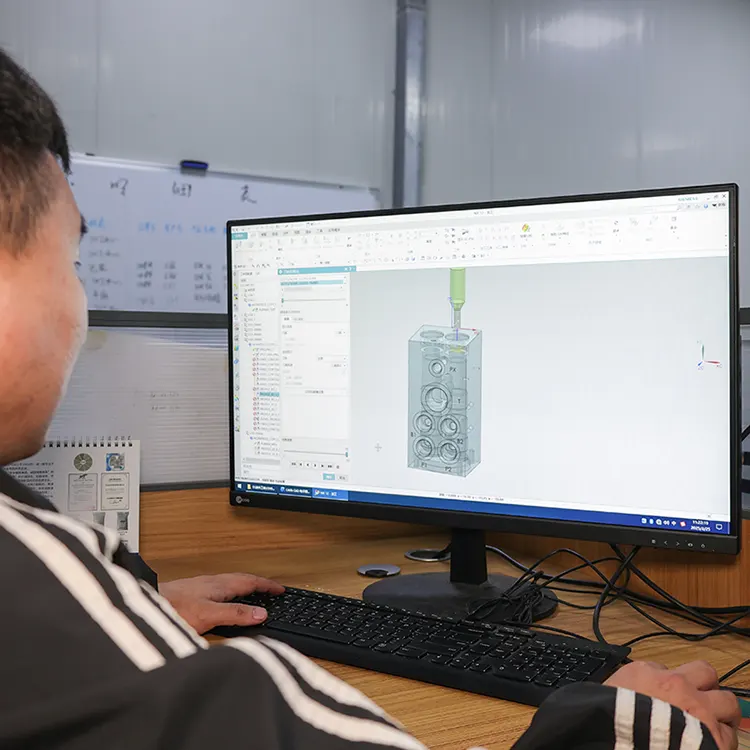
At our custom hydraulic valve block factory, we do many checks to catch even small mistakes before you get the parts. First, we check raw materials: every batch of steel or stainless steel is tested for its chemical makeup (using a direct-read spectrometer) and how strong it is (tensile strength, hardness) to make sure it meets industry standards. During machining, we check every 10 parts with a digital micrometer and optical comparator. We verify key sizes like port diameter and seal groove width. After machining, we use a coordinate measuring machine (CMM) with a 1.5m×1m×0.8m range to scan the whole valve block—it captures over 50,000 data points to compare with your 3D design. For leak testing (super important for hydraulic parts), we use a helium mass spectrometer leak detector—it’s more sensitive than regular pressure tests. We pressure-test each block at 1.5 times your system’s max pressure and hold it for 60 minutes to make sure no fluid leaks. Every block that passes these checks gets a unique serial number—linked to our production database so you can trace every step.
What makes Difon different from other custom hydraulic valve block factories? We work with you to fix design problems. Many clients come to us with early designs that are hard to machine—like a valve block with an oil passage that’s too deep to make precisely. Our engineers help you tweak the design: once, we adjusted a passage’s angle so we could hit the tolerance without issues, and it saved the client from reworking 200 parts. For clients making new hydraulic systems, we make fast prototypes: we can produce one valve block in 3–5 business days using our small-batch line. This lets you test fit, function, and performance before making a lot. We also help after delivery: our tech team answers questions like how tight to torque mounting bolts or what fluid filtration to use to protect internal passages. For long-term clients, we store your design files and machining settings in a secure database. When you reorder, we can start production within 48 hours—and every batch is just as good as the last.
At Difon Machinery Co., Ltd., we think a reliable hydraulic valve block is what makes a hydraulic system work well. As a custom Difon hydraulic valve block factory, we use precision machining (down to 0.002mm tolerance), end-to-end support, and collaborative engineering to make parts that fit your needs—whether for agriculture, mining, or industry. We don’t just sell valve blocks; we build partnerships that help your business run smoother. Want to talk about your hydraulic valve block needs? Ask for a prototype quote? Or come see our factory? Contact our team. You can watch our precision machines work and see how we check every part—no shortcuts, just valve blocks that don’t leak, don’t break, and keep your equipment running.
Hot Tags: Hydraulic Valve Block
Related Category
Send Inquiry
Please feel free to give your inquiry in the form below. We will reply you in 24 hours.


