- English
- Español
- Português
- русский
- Français
- 日本語
- Deutsch
- tiếng Việt
- Italiano
- Nederlands
- ภาษาไทย
- Polski
- 한국어
- Svenska
- magyar
- Malay
- বাংলা ভাষার
- Dansk
- Suomi
- हिन्दी
- Pilipino
- Türkçe
- Gaeilge
- العربية
- Indonesia
- Norsk
- تمل
- český
- ελληνικά
- український
- Javanese
- فارسی
- தமிழ்
- తెలుగు
- नेपाली
- Burmese
- български
- ລາວ
- Latine
- Қазақша
- Euskal
- Azərbaycan
- Slovenský jazyk
- Македонски
- Lietuvos
- Eesti Keel
- Română
- Slovenski
- मराठी
- Srpski језик

Professional Engineering Guide: Material Selection and Surface Treatment for Hydraulic Valve Bodies
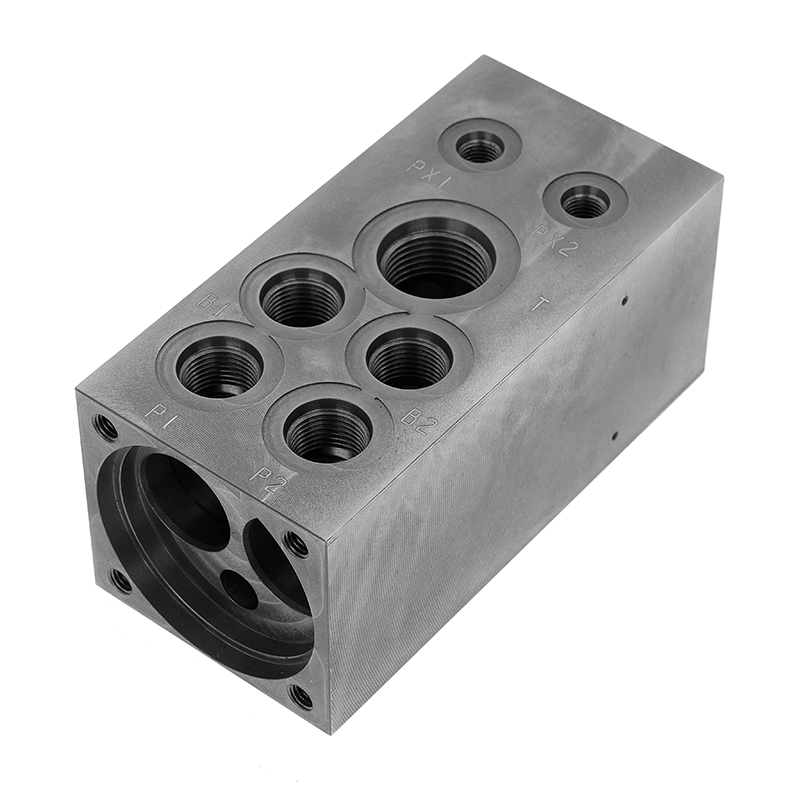
In any demanding application, the success of a hydraulic system begins and ends with the lifeblood of its control–the Hydraulic Valve Body. Subjected to high operating pressures, extreme temperature variations and contact with corrosive fluids, the material and surface finish specification is a matter of engineering judgement.
The following information provides a guideline on how to optimize material and process selection for optimum hydraulic performance.
Primary Body Materials: Balancing Strength and Weight
- Carbon Steel:Because of their strength and durability, carbon steel is the material of choice for high-pressure applications. Carbon steel has better mechanical properties, but usually requires additional coatings to prevent environmental oxidation.
- Stainless Steel:If the unit is intended for an offshore, chemical, or food grade environment, stainless steel is always the best bet. Stainless steel’s inherent corrosion resistance means it will function for the life of the product in demanding or acidic environments without additional plating.
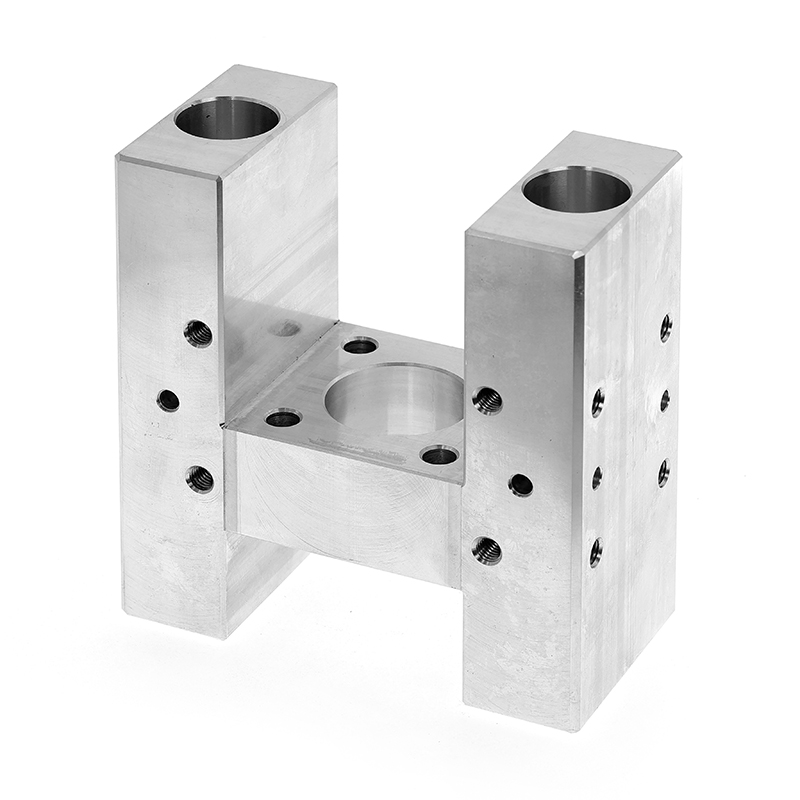
- Aluminum Alloy: The natural choice for weight-critical applications and low pressure applications. Aluminum has a high strength to weight ratio and is inherently anti-corrosive making it ideal for mobile hydraulics.
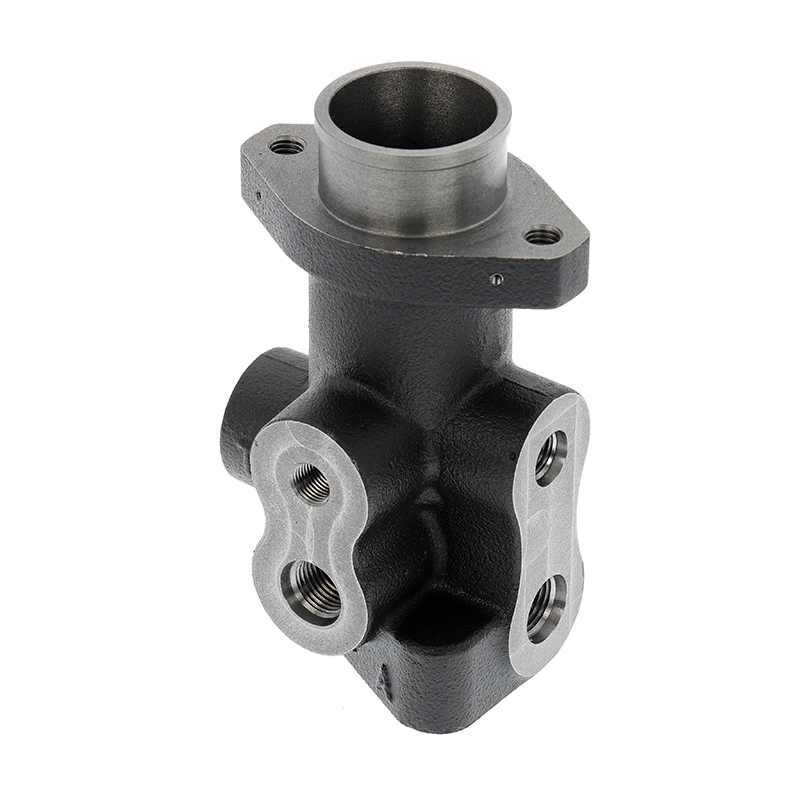
- Cast Iron: It’s a cost effective solution with good wear resistance and vibration-damping characteristics that maintain stiffness in large volume production.
Sealing Technology: The Key to Zero-Leakage
O-rings and gaskets keep the hydraulic system in good health. Selecting the wrong elastomer can cause an early system demise.
- Nitrile Rubber: The preferred elastomer for most industrial duty life fluids and temperatures, good resistance to petroleum oils.
- Fluorocarbon Elastomers: Required for high duty life temperatures or systems using aggressive chemical fluids; greater stability required.
- Polyurethane: The elastomer of choice when mechanical wear and abrasion are potential contributors to component life; extreme toughness required.
Advanced Coatings & Surface Treatments
Surface finishes improve the service life of the valve by making the surface harder and preserving it from degradation.
- Hard Chrome Plating is used predominantly on spools and provides a hard wearing surface. Hard chrome significantly reduces friction and also protects against wear and tear on valves that cycle rapidly.
- Zinc Coating is the typical surface finish used on protective layers for cast iron bodies. It protects the valve against corrosion and moisture.
- Anodisation is a treatment applied to aluminium valves that involve treating the surface to increase the hardness of the valve and also creates a layer of oxide, which protects the valve against scratches and chemical wear.