- English
- Español
- Português
- русский
- Français
- 日本語
- Deutsch
- tiếng Việt
- Italiano
- Nederlands
- ภาษาไทย
- Polski
- 한국어
- Svenska
- magyar
- Malay
- বাংলা ভাষার
- Dansk
- Suomi
- हिन्दी
- Pilipino
- Türkçe
- Gaeilge
- العربية
- Indonesia
- Norsk
- تمل
- český
- ελληνικά
- український
- Javanese
- فارسی
- தமிழ்
- తెలుగు
- नेपाली
- Burmese
- български
- ລາວ
- Latine
- Қазақша
- Euskal
- Azərbaycan
- Slovenský jazyk
- Македонски
- Lietuvos
- Eesti Keel
- Română
- Slovenski
- मराठी
- Srpski језик
Products


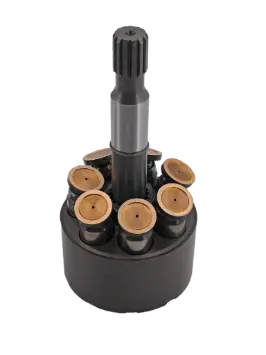


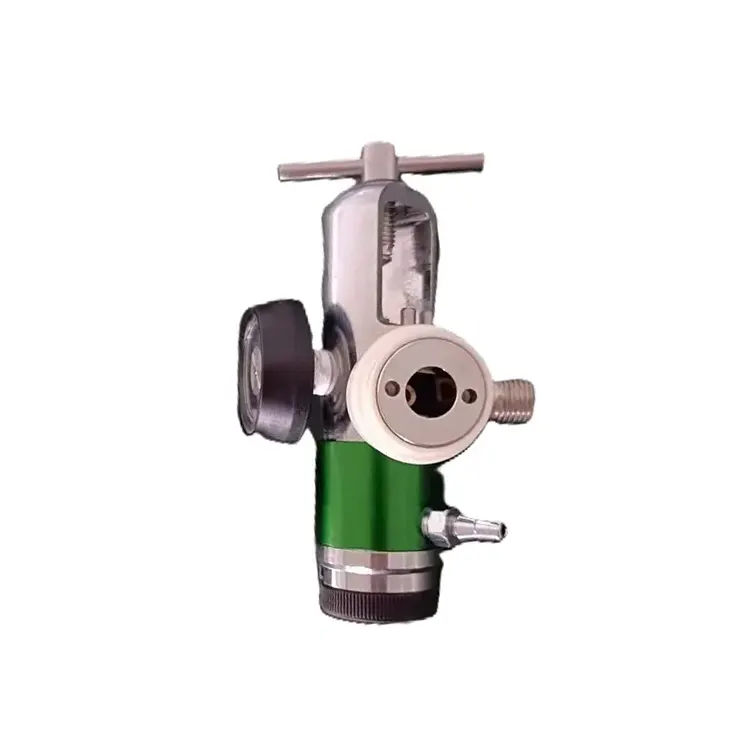
Oxygen Cylinder Regulator
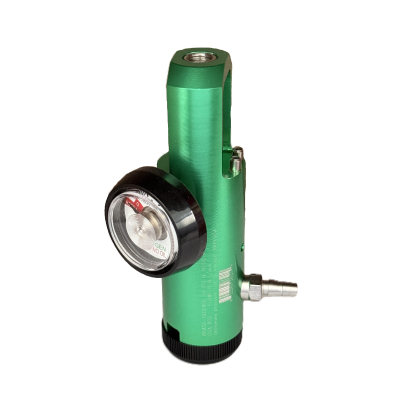
When companies that make medical equipment—like hospital oxygen delivery systems or portable emergency medical kits—need reliable, safety-first oxygen cylinder regulators, Difon Machinery Co., Ltd. is a trusted medical pressure reducing valve supplier. Our core expertise lies in the precision machining of these regulators. They control oxygen flow from high-pressure cylinders to safe levels for patients, usually 0.4–0.6 MPa.
Send Inquiry
Product Description
Precision Machining for Oxygen Cylinder Regulators: Medical-Grade Solutions at Difon Machinery
When companies that make medical equipment—like hospital oxygen delivery systems or portable emergency medical kits—need reliable, safety-first oxygen cylinder regulators, Difon Machinery Co., Ltd. is a trusted medical pressure reducing valve supplier. Our core expertise lies in the precision machining of these regulators. They control oxygen flow from high-pressure cylinders to safe levels for patients, usually 0.4–0.6 MPa. Every unit we make meets strict medical standards. Critical parts like valve cores and seal grooves have tolerances as tight as 0.002mm. This level of precision is critical—it prevents overpressure scenarios and eliminates oxygen leaks, thereby directly safeguarding patient safety. In partnering with Difon, you gain the assurance that comes from a team with a foundational understanding that these regulators are life-sustaining devices. We turn medical rules and user needs into machining solutions that balance precision, durability, and easy sterilization.
Oxygen cylinder regulators aren’t like regular industrial pressure parts—if they fail, people could get hurt fast. A seal groove just 0.005mm too big can leak oxygen. That raises fire risks and cuts off patients’ needed airflow. An out-of-tolerance pressure-adjusting valve core can result in dangerous pressure fluctuations. For vulnerable patients, such as those in ICU, this could lead to inadequate oxygenation with critical consequences. Many standard industrial suppliers fail to meet medical-grade requirements, often utilizing materials that lack full biocompatibility certification, posing risks of patient adverse reactions and failing sterilization validation. At Difon, we treat each regulator like a safety-critical system. Our process begins with collaboration with your regulatory team to ensure full compliance with all applicable medical device standards and regulations. Then we tweak every machining step to hit those standards. For example, if the regulator is for ambulance use, we’ll make its structure tough enough to handle vibration common in transit while keeping pressure steady. We also pick materials that resist corrosion from frequent alcohol cleaning.
Our reputation as a trusted supplier is built upon an unwavering commitment to using certified medical-grade materials. Many suppliers use industrial materials for medical parts—but we don’t. Oxygen cylinder regulators need three key things: biocompatibility, corrosion resistance, and strength. The table below shows our main materials and how we optimize them for medical regulators:
|
Material Type |
Key Medical-Grade Traits |
Machining & Treatment Tweaks |
Critical Tolerance Focus |
Target Medical Uses |
|
316L Stainless Steel |
Ultra-low carbon, ISO 10993-5 biocompatible, resists corrosion |
Use diamond-coated tools;passivate after machining to boost corrosion resistance |
±0.002mm for valve cores, ±0.003mm for seal grooves |
Hospital fixed oxygen systems, ICU ventilator regulators |
|
Titanium Alloy |
Light, no allergic reactions, strong for its weight |
Cut slowly to avoid hardening; use ultrasonic cleaning to remove all machining residue |
±0.003mm for pressure-adjusting rods, ±0.004mm for mounting threads |
Portable emergency oxygen regulators, pediatric medical kits |
|
PEEK |
FDA-approved for medical use, resists sterilants, low heat conductivity |
Precision CNC milling with carbide end mills; laser mark to avoid leaching |
±0.005mm for plastic valve housings, ±0.006mm for seal interfaces |
Disposable/single-patient regulators, dental oxygen systems |
Our precision machining process for oxygen cylinder regulators focuses on three safety-critical parts: pressure-adjusting valve cores, seal grooves, and pressure gauge mounting points. We use five-axis CNC machining centers and ultra-precision lathes. For example, when making a 316L stainless steel valve core, our CNC lathe first shapes the outer diameter to ±0.002mm. Then it uses a micro-drilling tool to make a 0.8mm oxygen passage with a Ra 0.2μm surface finish. That smoothness stops pressure drops and particle buildup—particles in oxygen systems can block valves. The five-axis machine then adds small, precise notches to the valve core. These notches line up with the regulator’s spring to keep pressure steady. We control notch depth to ±0.001mm. We also monitor the process in real time: sensors on the machine track cutting force and temperature. If parameters go off, it pauses production. This stops tool wear from causing mistakes that could hurt safety.
Recognizing that machining is only one component of a safe and compliant medical device, we place equal emphasis on post-machining validation and sterilization compatibility. Post-machining testing and sterilization checks matter just as much. Every oxygen cylinder regulator we make goes through medical-standard tests. First, a helium mass spectrometer leak test—it’s the most sensitive way to find tiny leaks. Next, a dynamic pressure cycle test, we watch for pressure stability—any swing over ±0.02 MPa means we reject the unit. We also test sterilization compatibility: we expose regulators to common medical methods 50 times. Then we check dimensions and leak tightness again. This makes sure the regulator works well after repeated use in hospitals.
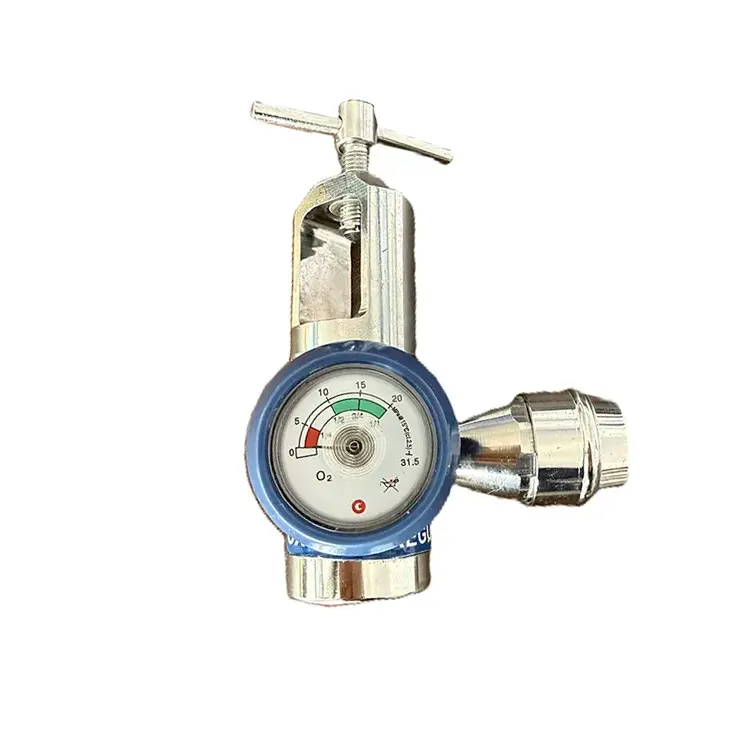
At Difon Machinery, we view our role as a medical device supplier as a commitment to patient safety, where precision manufacturing is the foundation of that promise. Our precision machining, medical-grade materials, strict testing, and regulatory support make sure every oxygen cylinder regulator meets what hospitals and patients need. Whether you’re building fixed hospital systems, portable emergency kits, or pediatric gear, we’re ready to turn your requirements into regulators that work when lives depend on them. Want to talk about your oxygen cylinder regulator needs? Ask for compliance docs? Or visit our facility? Contact our team. You can see our medical-grade machining and testing labs firsthand—and see why medical equipment makers trust us with their safety-critical parts.
Hot Tags: Oxygen Cylinder Regulator
Related Category
Send Inquiry
Please feel free to give your inquiry in the form below. We will reply you in 24 hours.