- English
- Español
- Português
- русский
- Français
- 日本語
- Deutsch
- tiếng Việt
- Italiano
- Nederlands
- ภาษาไทย
- Polski
- 한국어
- Svenska
- magyar
- Malay
- বাংলা ভাষার
- Dansk
- Suomi
- हिन्दी
- Pilipino
- Türkçe
- Gaeilge
- العربية
- Indonesia
- Norsk
- تمل
- český
- ελληνικά
- український
- Javanese
- فارسی
- தமிழ்
- తెలుగు
- नेपाली
- Burmese
- български
- ລາວ
- Latine
- Қазақша
- Euskal
- Azərbaycan
- Slovenský jazyk
- Македонски
- Lietuvos
- Eesti Keel
- Română
- Slovenski
- मराठी
- Srpski језик
Products


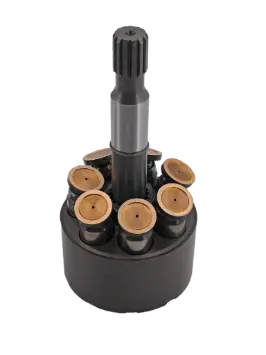


Stamping And Stretching And Surface Treatment
Qingdao Difon Machinery Co., Ltd. does Stamping And Stretching And Surface Treatment like zinc plating and anodizing for metal parts. We make durable, multi-use components for home appliances, automotive, and electronics. Our service mixes precise Stamping And Stretching And Surface Treatments, so businesses that need custom, rust-resistant stamped parts trust us.
Send Inquiry
Product Description
Qingdao Difon Machinery Co., Ltd. does Stamping And Stretching And Surface Treatment like zinc plating and anodizing for metal parts. We make durable, multi-use components for home appliances, automotive, and electronics. Our service mixes precise Stamping And Stretching And Surface Treatments, so businesses that need custom, rust-resistant stamped parts trust us.
As a maker with years of experience in this work, we know stamped parts with surface treatments aren’t just “shaped metal.” They matter for how the end product works—like resisting moisture in a washing machine’s inner tub, or standing up to road salt on a car bracket. Most makers do Stamping And Stretching And Surface Treatment separately—that causes quality gaps. But we handle everything from cutting material to final coating in one place. This way, the stamped part’s strength matches the surface layer’s protection. Clients get parts that hit size standards and last in tough environments. That’s why we’re trusted across so many industries.
Our stamping and stretching process fits different industries, and it starts with picking the right material. For home appliance parts—like fridge door hinges or AC chassis—we use SPCC cold-rolled steel. This material bends easily for complex shapes and has a smooth surface for anodizing. Last quarter, a batch of SPCC steel failed our bend test—we rejected it right away, so we didn’t end up with bad fridge hinges.
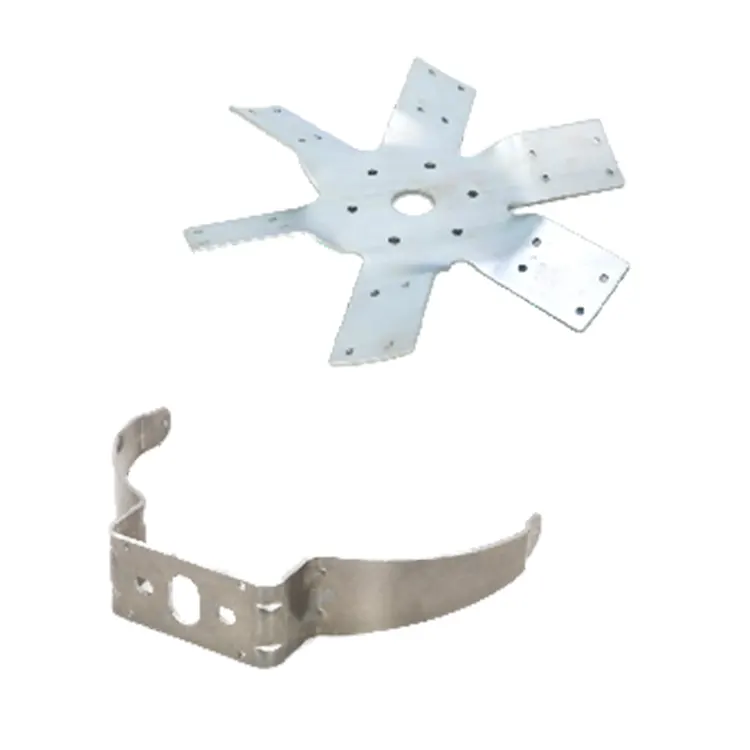
For car exterior parts—bumper brackets or fuel tank supports—we use HC340LA high-strength steel. It stays strong after stamping, so it handles road vibrations. Its low carbon content also helps zinc plating stick evenly. For electronic parts—battery casings or connector shells—we use 5052 aluminum alloy. It’s light, easy to stretch, and works well with anodizing to boost electrical insulation. Before production, every material batch gets tensile and bend tests—this stops parts from cracking or warping during stamping.
The way we connect Stamping And Stretching And Surface Treatment is what makes us stand out. After stamping, we do three simple steps to clean the parts so the coating sticks well: first, we use alkaline cleaner at 50-60℃ to wipe off machine oil; second, we etch surface oxides with 10% sulfuric acid; third, we rinse with pure water to stop chemicals from causing defects.
For zinc plating, we use a cyanide-free solution (meets RoHS rules) to get an 8-12μm thick layer. This layer passes 480 hours of salt spray testing without red rust—great for cars and outdoor parts. For anodizing, we use sulfuric acid at 18-22℃ to make a 10-15μm oxide film, then seal it with 95-100℃ hot water to make it more rust-resistant. This process gives home appliance parts a scratch-proof surface and lets us match custom colors—like silver or black. We once did black anodizing for a coffee maker client; their customers loved how it looked and how it didn’t show scratches.
We also do custom parts for clients in niche industries. The process starts with listening to their needs: we ask how the part will be used, size limits and what it needs to do. Then our engineers use CAD/CAM software to design stamping dies and simulate the stretching process—this helps us find problems early, like material getting too thin in deep areas. We adjust the die before making real parts.
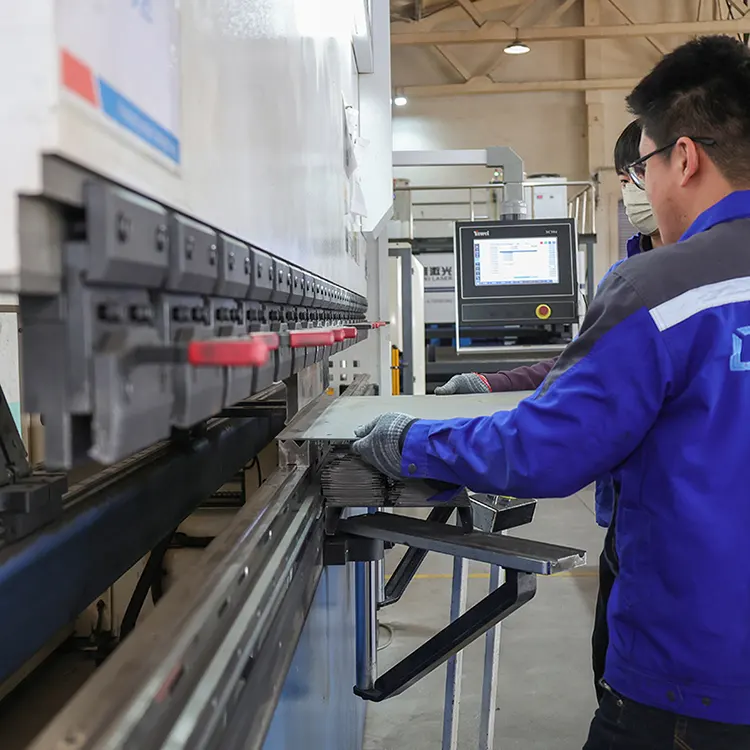
We then make 50-100 prototypes for clients to test. For example, a medical device client needed a stamped aluminum tray. It needed anodizing and tight flatness to hold precision tools. Our team adjusted the die’s blank holder force to reduce stretching stress, then tweaked the anodizing temperature to make the film even. The prototypes passed their 100-cycle chemical disinfection test—no coating peeled. Now they order 5,000 trays a month.
As a dedicated maker of these parts, we keep strict quality control through production. We have ISO 9001 and IATF 16949 certifications. Every batch gets checked by our QA team: we use laser tool to measure stamping sizes, X-ray machines to check zinc plating thickness, and do adhesion tests for anodized films. We also give full traceability docs—from material certificates to process logs—so clients can check if parts meet their industry standards.
When we ship, we use anti-scratch packaging to protect coated surfaces. We also offer flexible lead times: standard parts take 7-10 days, custom parts take 20-30 days. Whether clients need small batches of prototypes or large production runs, our integrated service gives consistent quality, flexibility, and good value.
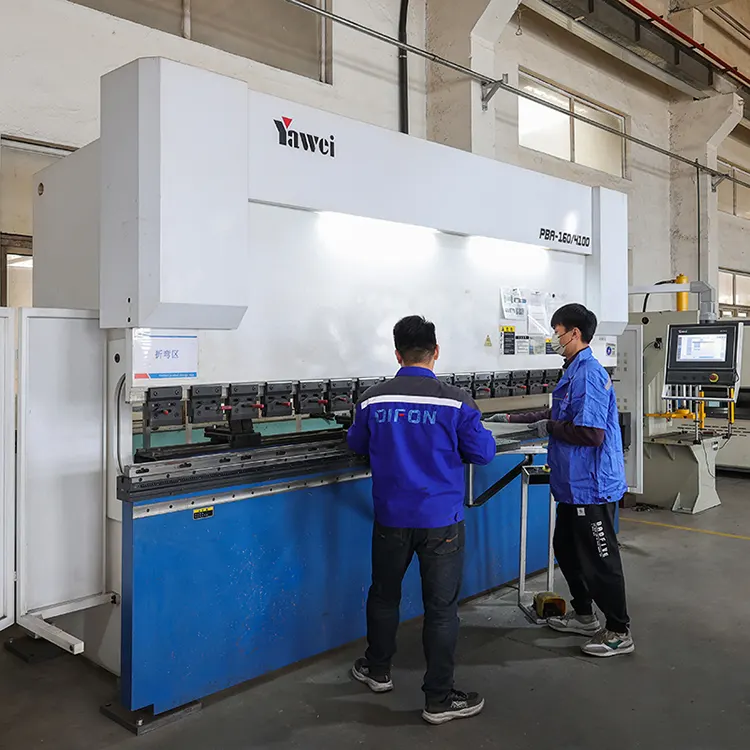
Hot Tags: Stamping And Stretching And Surface Treatment
Related Category
Aluminum Die-Casting
Casting Process
Sheet Metal Fabrication
Stamping Processing
Welding Process
Precision Machining
Send Inquiry
Please feel free to give your inquiry in the form below. We will reply you in 24 hours.
Related Products