- English
- Español
- Português
- русский
- Français
- 日本語
- Deutsch
- tiếng Việt
- Italiano
- Nederlands
- ภาษาไทย
- Polski
- 한국어
- Svenska
- magyar
- Malay
- বাংলা ভাষার
- Dansk
- Suomi
- हिन्दी
- Pilipino
- Türkçe
- Gaeilge
- العربية
- Indonesia
- Norsk
- تمل
- český
- ελληνικά
- український
- Javanese
- فارسی
- தமிழ்
- తెలుగు
- नेपाली
- Burmese
- български
- ລາວ
- Latine
- Қазақша
- Euskal
- Azərbaycan
- Slovenský jazyk
- Македонски
- Lietuvos
- Eesti Keel
- Română
- Slovenski
- मराठी
- Srpski језик
Products



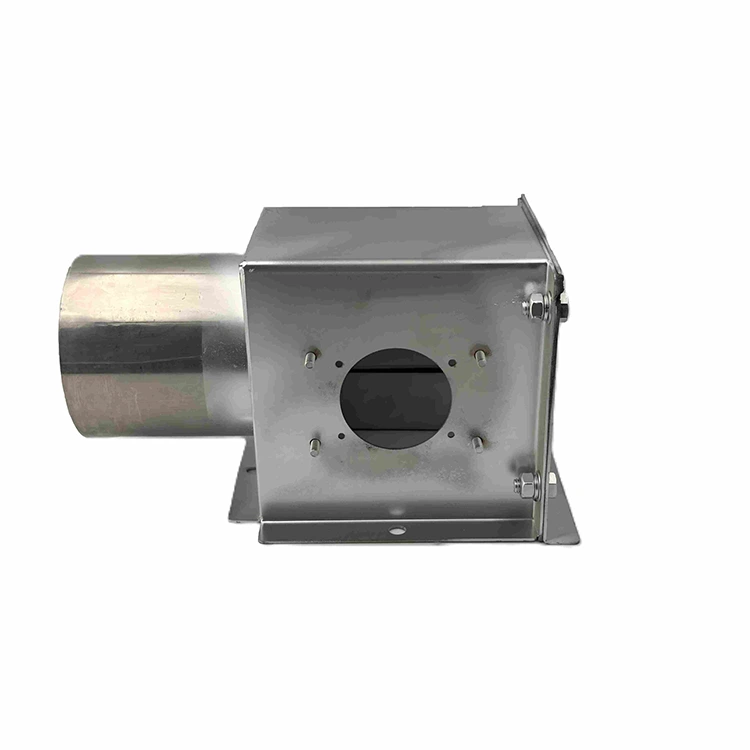
Standard Bending
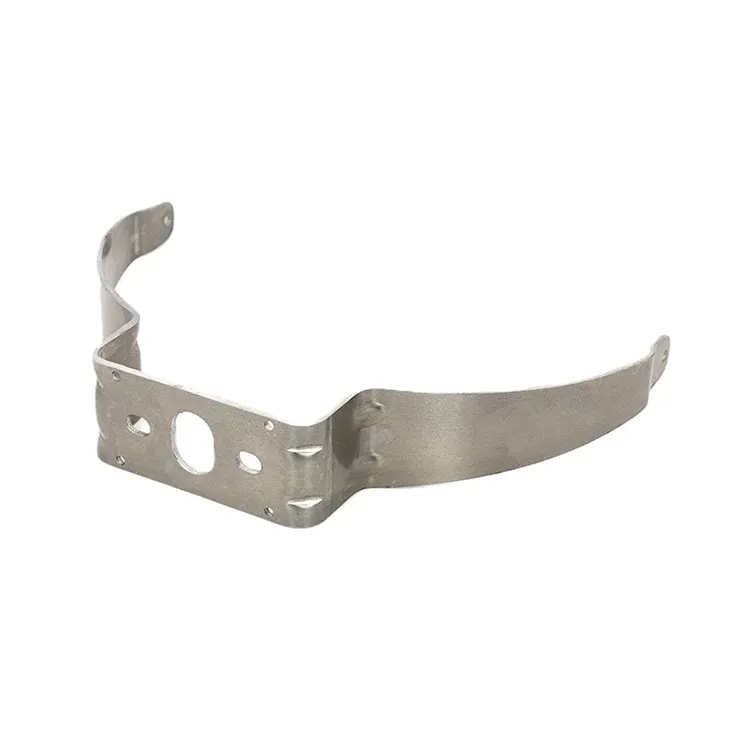
When manufacturers in fields like electrical equipment, household appliances and industrial hardware need consistent, high-precision standard bending parts that meet industry tolerances and cut down assembly time, Difon Machinery Co., Ltd. is a reliable provider of CNC bending services that focus on standard bending. Our core offering here is a range of off-the-shelf and customizable Difon standard bending parts—from simple U-shaped brackets and L-angled supports to more complex folded panels—and all are made with advanced CNC bending technology that ensures every unit matches the exact dimensions, angle accuracy and surface finish you need. If you choose to buy standard bending parts from Difon, you get rid of the trouble of setting up in-house bending, reduce production waste and gain a partner that knows how important standardization is for streamlining your manufacturing workflow. This works whether you need small batches for prototyping or large-volume orders for mass production.
Send Inquiry
Product Description
CNC Bending for Standard Bending Parts at Difon Machinery
When manufacturers in fields like electrical equipment, household appliances and industrial hardware need consistent, high-precision standard bending parts that meet industry tolerances and cut down assembly time, Difon Machinery Co., Ltd. is a reliable provider of CNC bending services that focus on standard bending. Our core offering here is a range of off-the-shelf and customizable Difon standard bending parts—from simple U-shaped brackets and L-angled supports to more complex folded panels—and all are made with advanced CNC bending technology that ensures every unit matches the exact dimensions, angle accuracy and surface finish you need. If you choose to buy standard bending parts from Difon, you get rid of the trouble of setting up in-house bending, reduce production waste and gain a partner that knows how important standardization is for streamlining your manufacturing workflow. This works whether you need small batches for prototyping or large-volume orders for mass production.
Difon Standard bending parts might look simple next to custom components yet their quality directly impacts your final assembly efficiency. Brackets that don’t fit right or angles that vary can cause loose connections, slow down assembly or even make the final product fail. That’s why Difon doesn’t handle standard bending as a one-size-fits-all job. We’ve tweaked our CNC bending process to focus on consistency, precision and working well with different material types. Smaller workshops mostly use manual bending and that often leads to mistakes from workers.But our investment in CNC bending equipment means every standard bending part we make—whether it’s a 1mm-thin aluminum bracket for electronics or a 6mm-thick steel support for industrial machinery—meets the same strict quality benchmarks.We also know many clients want to adjust standard designs slightly such as changing hole spots or bending levels to fit their specific products. Our process mixes standardization and flexibility to ensure you receive parts that fit well with your current assembly lines.
The base of our Difon standard bending service is our set of high-performance CNC bending machines. These machines are tailored to handle the different material and thickness needs of standard parts. At Difon, we run a range of CNC bending machines. They cover bending lengths max. 4100mm, enough to make everything from small electrical junction box panels to large industrial equipment frames. These machines is automated, they also have advanced backgauges and angle-monitoring systems that adjust bending parameters in real time to avoid deviations. For example, when bending a standard L-angled steel bracket, the CNC system first imports the 2D design file. Then it calculates the best bending sequence, sets the backgauge to position the metal sheet precisely and applies the exact pressure needed to get a 90° angle with a tolerance of ±0.5°. This level of precision means when you get a batch of 1,000 such brackets, each one fits into your assembly just like the first.
Before any bending starts, we put a lot of focus on material preparation. This step is often overlooked by shops in a hurry to meet deadlines but it’s critical for standard bending quality. We use cold-rolled steel, stainless steel and aluminum for standard bending parts. We use cold-rolled steel, stainless steel and aluminum for standard bending parts. Every material requires special pre-bending steps to keep it bending smoothly no cracks or surface harm. We begin by degreasing cold-rolled steel with a non-toxic solvent to wipe off oil residues on its surface.
For stainless steel, we add a light passivation step to keep its anti-corrosion properties. Bending can sometimes damage the material’s natural oxide coat so this step is a must. We don’t do much pre-treatment for aluminum instead we use a special bending die with a polished surface to cut down friction between the die and the metal. We also keep tight control over uniform material thickness by only buying certified metal sheets with thickness tolerances of ±0.05mm.Even small variations can lead to inconsistent bending angles in standard parts.
To make consistency even better, we’ve developed a standardized CNC programming workflow for our most popular standard bending parts. For clients ordering common designs, we keep pre-optimized program files.These files have all the key settings: material type, thickness, bending angle, backgauge position and die choice. This speeds up production and stops programming errors that can happen when you input data manually.
We also run first-piece inspection for every order,after programming, we make one sample standard bending part, check it thoroughly for dimensions and angle accuracy and only move to full production if the sample gets your approval. This step acts as a final quality check to make sure there are no surprises when you receive your batch.
|
Material Type |
Typical Thickness Range (mm) |
Minimum Bending Radius (mm) |
Angle Tolerance |
Key Applications forStandard BendingParts |
|
Cold-Rolled Steel |
0.8–6.0 |
1.5×Thickness |
±0.5° |
Industrial equipment brackets, electrical box frames |
|
304 Stainless Steel |
0.5–4.0 |
2.0×Thickness |
±0.5° |
Food machinery parts, outdoor hardware, medical equipment supports |
|
6061 Aluminum |
0.5–3.0 |
1.0×Thickness |
±0.3° |
Electronic device casings, lightweight appliance brackets |
|
Galvanized Steel |
1.0–5.0 |
1.8×Thickness |
±0.5° |
Automotive accessories, outdoor electrical enclosures |
Quality control doesn’t stop when the Difon standard bending parts come off the machine. At Difon, every batch goes through a multi-step inspection process to check if it meets our standards and yours. First, we use digital calipers and angle gauges to check key dimensions—like the length of a bracket’s legs, the depth of a U-shape or the accuracy of bend. We check that they match the drawings. We use CMM to sample 10% of the parts for tight dimensional tolerance needs. For parts that need tight dimensional tolerance we usually use CMM to sample 10% of the batch. This sampling method balances efficiency and thoroughness. It catches any potential issues before they affect the whole batch. We also check the surface finish of each part, cold-rolled steel parts are inspected for scratches or indentations, stainless steel parts for uniform passivation and aluminum parts for any bending-induced marks that might hurt aesthetics. Parts that don’t meet our standards are set aside for rework or recycling—we never ship a standard bending part that fails to meet the agreed-upon specs.
Besides making parts Difon’s work on standard bending also covers all your supply chain needs. We know many clients need standard parts on a steady basis so we offer flexible delivery choices. We can set up a regular order with just-in-time delivery if you need 2,000 L-brackets every month. We also do custom packaging like putting small brackets in anti-scratch foam trays or wrapping larger panels in protective film to keep parts in perfect shape even during long shipping trips.
For clients who need to pair standard bending parts with other components we offer extra post-bending services. We can add holes slots or notches to standard parts using our in-house CNC punching machines. Or we can do surface treatments like powder coating or zinc plating to make them more durable. This all-in-one service means you don’t have to work with multiple suppliers for secondary processing. It saves your time and lowers the risk of damage when parts move between different shops.
Hot Tags: Standard Bending
Related Category
Send Inquiry
Please feel free to give your inquiry in the form below. We will reply you in 24 hours.