- English
- Español
- Português
- русский
- Français
- 日本語
- Deutsch
- tiếng Việt
- Italiano
- Nederlands
- ภาษาไทย
- Polski
- 한국어
- Svenska
- magyar
- Malay
- বাংলা ভাষার
- Dansk
- Suomi
- हिन्दी
- Pilipino
- Türkçe
- Gaeilge
- العربية
- Indonesia
- Norsk
- تمل
- český
- ελληνικά
- український
- Javanese
- فارسی
- தமிழ்
- తెలుగు
- नेपाली
- Burmese
- български
- ລາວ
- Latine
- Қазақша
- Euskal
- Azərbaycan
- Slovenský jazyk
- Македонски
- Lietuvos
- Eesti Keel
- Română
- Slovenski
- मराठी
- Srpski језик

How Does a Hydraulic Valve Block Improve System Efficiency and Reliability?
Abstract:
A hydraulic valve block is a critical component in modern hydraulic systems, integrating multiple flow control functions into a compact unit. This article provides a comprehensive explanation of how a hydraulic valve block works, why it is essential for system performance, and how to select the right configuration. It addresses common customer concerns such as leakage, inefficiency, maintenance complexity, and customization requirements, offering structured insights and practical solutions.
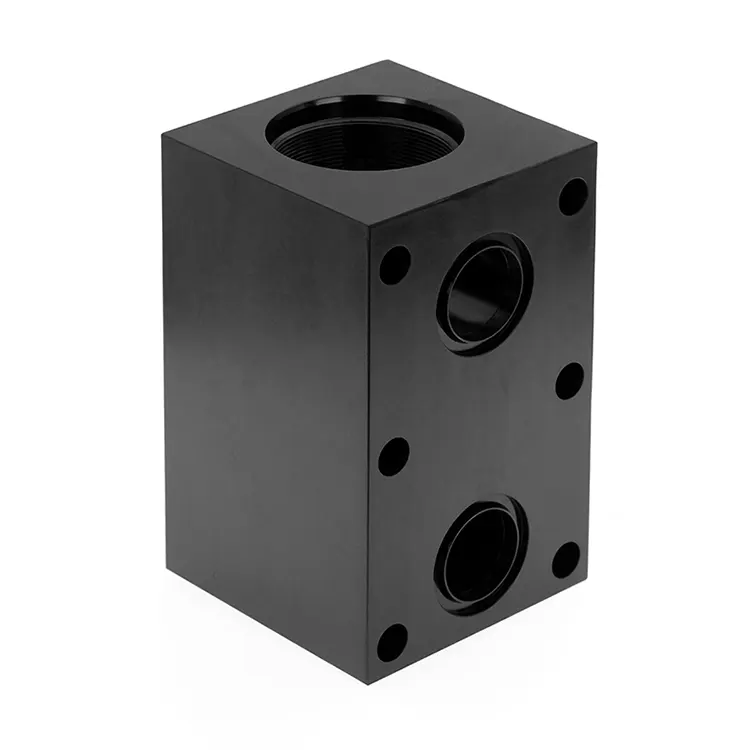
Table of Contents
- 1. What Is a Hydraulic Valve Block?
- 2. How Does a Hydraulic Valve Block Work?
- 3. Key Advantages of Using Hydraulic Valve Blocks
- 4. Common Customer Pain Points and Solutions
- 5. Technical Parameters and Material Options
- 6. How to Choose the Right Hydraulic Valve Block
- 7. Application Scenarios Across Industries
- 8. Maintenance and Longevity Tips
- 9. FAQ
- 10. Conclusion
1. What Is a Hydraulic Valve Block?
A hydraulic valve block, also known as a manifold block, is a precision-machined component designed to house multiple hydraulic valves within a single compact structure. It acts as a centralized hub for controlling fluid flow, pressure, and direction within hydraulic systems.
Instead of connecting individual valves through external piping, the valve block integrates internal channels to streamline oil flow. This significantly reduces leakage points, improves response time, and enhances overall system reliability.
2. How Does a Hydraulic Valve Block Work?
The working principle of a hydraulic valve block is based on fluid dynamics and pressure control. Internal passages are precisely drilled to connect different valves, enabling controlled distribution of hydraulic oil.
- Hydraulic fluid enters the block through an inlet port
- Internal channels direct the fluid to specific valves
- Valves regulate pressure, flow rate, and direction
- Fluid exits through designated outlet ports to actuators
This integrated design eliminates unnecessary piping and ensures consistent pressure distribution across the system.
3. Key Advantages of Using Hydraulic Valve Blocks
Hydraulic valve blocks provide several engineering and operational benefits:
- Compact Design: Reduces installation space and system complexity
- Leakage Reduction: Minimizes external connections and sealing points
- Improved Efficiency: Optimized flow paths reduce pressure loss
- Faster Response Time: Shorter fluid travel distance enhances system speed
- Customization: Tailored designs meet specific operational requirements
4. Common Customer Pain Points and Solutions
1. Frequent Leakage Issues
Traditional piping systems often suffer from leakage due to multiple joints. Hydraulic valve blocks solve this by integrating channels internally, reducing sealing surfaces.
2. Complex System Layout
Multiple valves and pipelines create complicated installations. A valve block simplifies layout and reduces assembly time.
3. Maintenance Difficulty
Integrated designs allow easier access to components, reducing downtime during maintenance.
4. Performance Instability
Optimized flow channels ensure stable pressure and consistent performance across all operations.
5. Technical Parameters and Material Options
| Parameter | Description |
| Material | Aluminum, Carbon Steel, Stainless Steel |
| Working Pressure | Up to 35 MPa or higher |
| Surface Treatment | Anodizing, Nickel Plating, Phosphating |
| Port Type | Threaded, Flanged, Custom Ports |
| Temperature Range | -20°C to 120°C |
| Design Type | Standard or Custom Manifold |
Manufacturers like Difon provide high-precision machining and customization capabilities to meet complex hydraulic system requirements.
6. How to Choose the Right Hydraulic Valve Block
Selecting the appropriate hydraulic valve block requires careful evaluation of system requirements:
- Flow Rate: Ensure the block supports required fluid volume
- Pressure Rating: Must match system operating pressure
- Material Compatibility: Consider corrosion resistance and environment
- Valve Configuration: Number and type of valves needed
- Customization Needs: Evaluate if a standard or custom design is required
A well-designed valve block can significantly reduce operational costs while improving efficiency.
7. Application Scenarios Across Industries
Hydraulic valve blocks are widely used in various industries:
- Construction machinery (excavators, loaders)
- Industrial automation systems
- Agricultural equipment
- Marine and offshore engineering
- Energy and mining equipment
Their adaptability makes them indispensable in systems requiring precise fluid control.
8. Maintenance and Longevity Tips
- Regularly inspect seals and connections
- Use clean hydraulic oil to prevent contamination
- Monitor pressure levels to avoid overload
- Schedule periodic system flushing
- Replace worn valves promptly
Proper maintenance ensures long-term reliability and optimal system performance.
9. FAQ
Q1: What is the main function of a hydraulic valve block?
It centralizes multiple hydraulic control functions into a single unit, improving efficiency and reducing system complexity.
Q2: Can hydraulic valve blocks be customized?
Yes, they can be fully customized to meet specific flow, pressure, and spatial requirements.
Q3: Which material is best for a hydraulic valve block?
Aluminum is lightweight and cost-effective, while steel offers higher strength and durability for heavy-duty applications.
Q4: How does a valve block reduce leakage?
By minimizing external piping and integrating internal channels, it reduces the number of potential leakage points.
10. Conclusion
A hydraulic valve block is a fundamental component that enhances system efficiency, reliability, and compactness. Its integrated design addresses key operational challenges such as leakage, inefficiency, and maintenance complexity.
With advanced manufacturing capabilities, Difon delivers precision-engineered hydraulic valve blocks tailored to diverse industrial applications. Whether for standard systems or complex custom solutions, choosing the right valve block can significantly improve overall system performance.
For detailed product information or customized solutions, feel free to contact us and discover how professional hydraulic solutions can optimize your operations.