
Summary: The brake proportioning valve is a critical component in modern braking systems, ensuring balanced pressure between front and rear brakes for optimal safety. In this article, we will explore its functionality, types, common issues, maintenance tips, and how choosing the right valve from Difon can improve your vehicle’s braking performance.
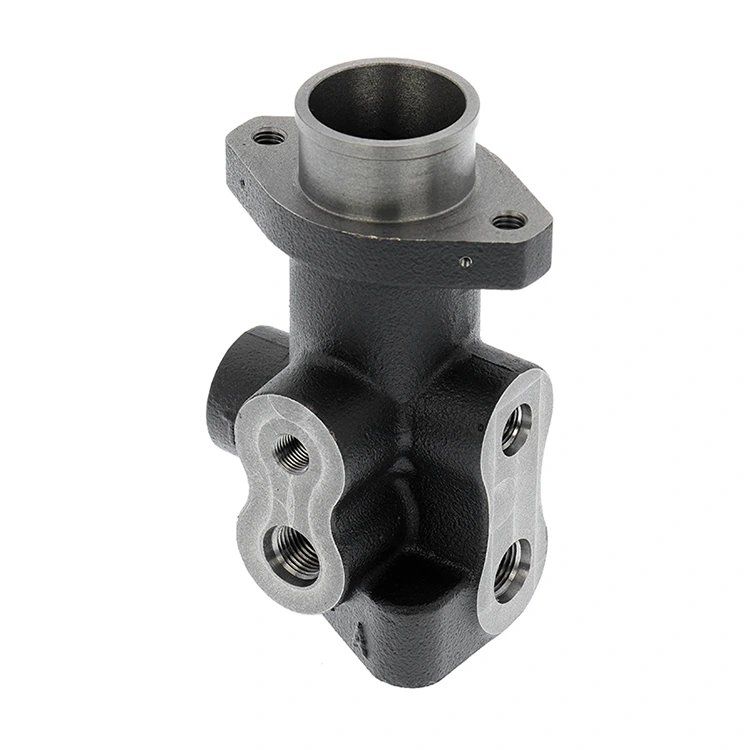
Table of Contents
- What is a Brake Proportioning Valve?
- How Does It Work?
- Types of Brake Proportioning Valves
- Common Problems and Solutions
- Maintenance and Installation Tips
- Frequently Asked Questions
What is a Brake Proportioning Valve?
A brake proportioning valve is a safety device installed in a vehicle’s braking system that controls the distribution of hydraulic pressure to the front and rear brakes. It ensures that the rear brakes do not lock up under heavy braking, which can lead to loss of control.
- Purpose: Prevent rear wheel lockup
- Location: Typically found in the brake line between the master cylinder and rear brakes
- Material: Usually made from high-strength steel or aluminum to withstand pressure
Difon’s brake proportioning valves are engineered for durability and consistent performance, suitable for a wide range of vehicle types.
How Does It Work?
The brake proportioning valve works by modulating the hydraulic pressure sent to the rear brakes. When the front brakes receive more pressure due to weight transfer during braking, the valve reduces the pressure to the rear brakes, preventing skidding or locking.
| Component | Function |
|---|---|
| Valve Body | Houses the internal mechanism that regulates brake pressure |
| Piston or Spring | Adjusts pressure based on hydraulic input |
| Inlet/Outlet Ports | Connects to front and rear brake lines |
By maintaining proper pressure distribution, Difon brake proportioning valves contribute to safer braking performance, especially in emergency situations or uneven road conditions.
Types of Brake Proportioning Valves
Brake proportioning valves vary depending on the vehicle application and desired performance characteristics.
- Manual Proportioning Valves: Adjusted manually to set the rear brake pressure.
- Automatic Proportioning Valves: Self-adjust based on braking load and weight transfer.
- Load-Sensing Proportioning Valves: Detect vehicle load changes and automatically adjust rear brake pressure.
Difon offers a variety of these valves to meet OEM specifications and aftermarket requirements.
Common Problems and Solutions
Even high-quality valves can experience issues if not properly maintained. Understanding common problems helps prevent brake failure.
- Rear Brake Lockup: Often caused by an improperly adjusted proportioning valve. Solution: Inspect and recalibrate the valve.
- Brake Fluid Leaks: Worn seals or damaged valves may leak. Solution: Replace seals or the entire valve.
- Uneven Braking: Can occur due to blockages or corrosion inside the valve. Solution: Clean or replace the valve as needed.
Choosing reliable products like Difon valves reduces the likelihood of these problems and ensures long-term vehicle safety.
Maintenance and Installation Tips
Proper maintenance of brake proportioning valves is essential for consistent braking performance.
- Regularly check for leaks and corrosion in the valve and connected brake lines.
- Ensure proper calibration when installing a new valve.
- Use high-quality brake fluid compatible with your vehicle’s braking system.
- Follow Difon’s installation guidelines to avoid misalignment or improper pressure distribution.
By following these steps, drivers can maximize the lifespan and effectiveness of their brake proportioning valve.
Frequently Asked Questions
- Q1: How do I know if my proportioning valve is failing?
- A: Symptoms include rear wheel lockup, uneven braking, or brake pedal pulsation.
- Q2: Can I install a brake proportioning valve myself?
- A: While possible, professional installation is recommended to ensure safety and correct calibration.
- Q3: How often should I replace a brake proportioning valve?
- A: Depending on usage, valves may last several years, but regular inspections are crucial.
- Q4: Are Difon valves compatible with all vehicles?
- A: Difon offers valves for a wide range of vehicles; always check specifications before purchase.
In conclusion, a brake proportioning valve is vital for maintaining balanced and safe braking. Investing in a high-quality valve from Difon can reduce the risk of brake-related accidents and enhance overall vehicle performance.
Ready to upgrade your vehicle’s braking system? Contact us at Difon today to find the perfect brake proportioning valve for your car or truck!