- English
- Español
- Português
- русский
- Français
- 日本語
- Deutsch
- tiếng Việt
- Italiano
- Nederlands
- ภาษาไทย
- Polski
- 한국어
- Svenska
- magyar
- Malay
- বাংলা ভাষার
- Dansk
- Suomi
- हिन्दी
- Pilipino
- Türkçe
- Gaeilge
- العربية
- Indonesia
- Norsk
- تمل
- český
- ελληνικά
- український
- Javanese
- فارسی
- தமிழ்
- తెలుగు
- नेपाली
- Burmese
- български
- ລາວ
- Latine
- Қазақша
- Euskal
- Azərbaycan
- Slovenský jazyk
- Македонски
- Lietuvos
- Eesti Keel
- Română
- Slovenski
- मराठी
- Srpski језик

Hydraulic Flow System Reliability: Common Challenges and Engineering Solutions
Understanding the root causes of hydraulic system failure is the first step toward preventing costly downtime. Below, we outline the most critical flow system challenges and the precision manufacturing practices that keep systems performing at their best.
Fluid Contamination: The Leading Cause of System Failure
Contamination remains the single greatest threat to hydraulic system reliability. Particulate matter and residual manufacturing burrs can block small orifices, score precision-machined surfaces, and jam sensitive proportional valves. Without proper mitigation, accelerated component wear and unplanned machinery downtime are the inevitable result.
Cavitation and Aeration: Hidden Threats to System Integrity
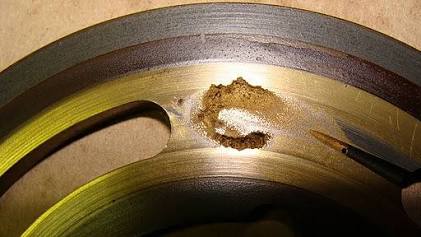
When fluid velocity increases through restricted channels, local pressure drops — creating vapor bubbles in a process known as cavitation. As these bubbles collapse upon entering higher-pressure zones, they erode metal surfaces, cause severe pitting and internal leakage, and produce the audible chatter that signals system stress.
Aeration poses a related challenge: trapped air bubbles introduce spongy, unpredictable system behavior and degrade response performance. Both conditions, left unaddressed, accelerate component degradation and compromise overall system reliability.
Thermal Management: Protecting Seals and Lubrication Efficiency
Excessive temperature spikes thin hydraulic oil, destroying elastomeric seals and reducing the lubricating film that protects precision components. Sustained thermal stress compounds the effects of contamination and cavitation, shortening service life and increasing the risk of sudden failure.
Our Engineering Approach: Precision as Prevention
At the heart of long-term hydraulic reliability is manufacturing precision. Our components feature internal valve bores held to tolerances of ±0.002 mm, eliminating the erratic bypass that leads to pressure loss and heat buildup. Meticulous internal deburring and smooth chamfering at cross-hole intersections minimize fluid turbulence — directly reducing the conditions that drive both heat generation and cavitation.
By addressing potential failure points at the design and manufacturing stage, we help our customers achieve the consistent, maintenance-efficient hydraulic performance their operations demand.