- English
- Español
- Português
- русский
- Français
- 日本語
- Deutsch
- tiếng Việt
- Italiano
- Nederlands
- ภาษาไทย
- Polski
- 한국어
- Svenska
- magyar
- Malay
- বাংলা ভাষার
- Dansk
- Suomi
- हिन्दी
- Pilipino
- Türkçe
- Gaeilge
- العربية
- Indonesia
- Norsk
- تمل
- český
- ελληνικά
- український
- Javanese
- فارسی
- தமிழ்
- తెలుగు
- नेपाली
- Burmese
- български
- ລາວ
- Latine
- Қазақша
- Euskal
- Azərbaycan
- Slovenský jazyk
- Македонски
- Lietuvos
- Eesti Keel
- Română
- Slovenski
- मराठी
- Srpski језик
Products


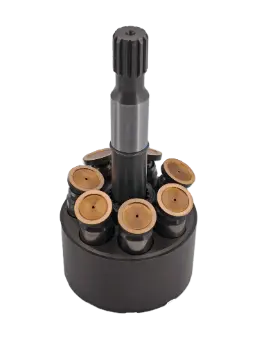


Oxygen Concentrator Components
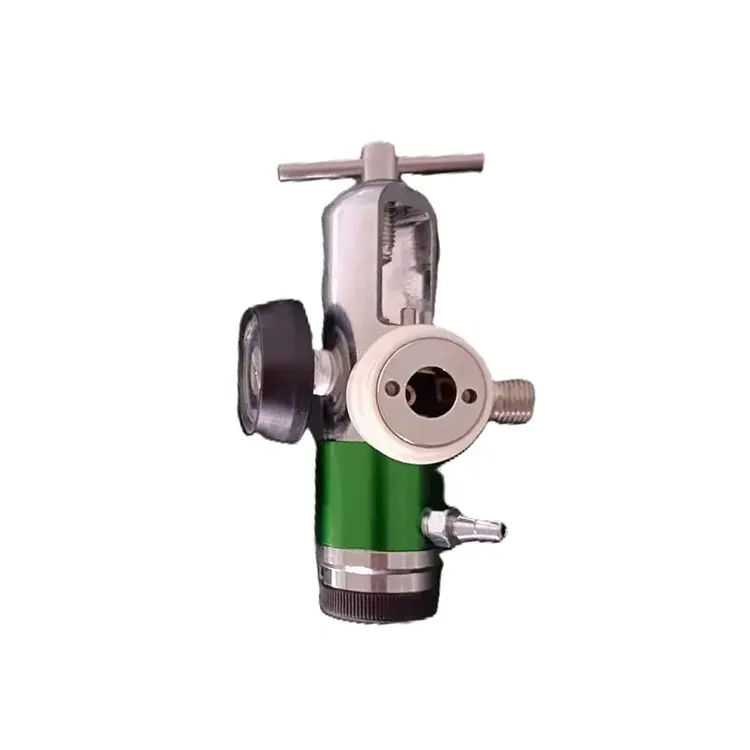
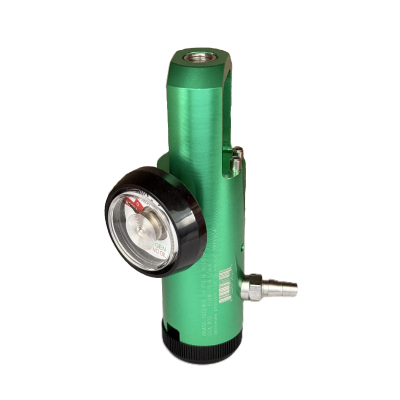
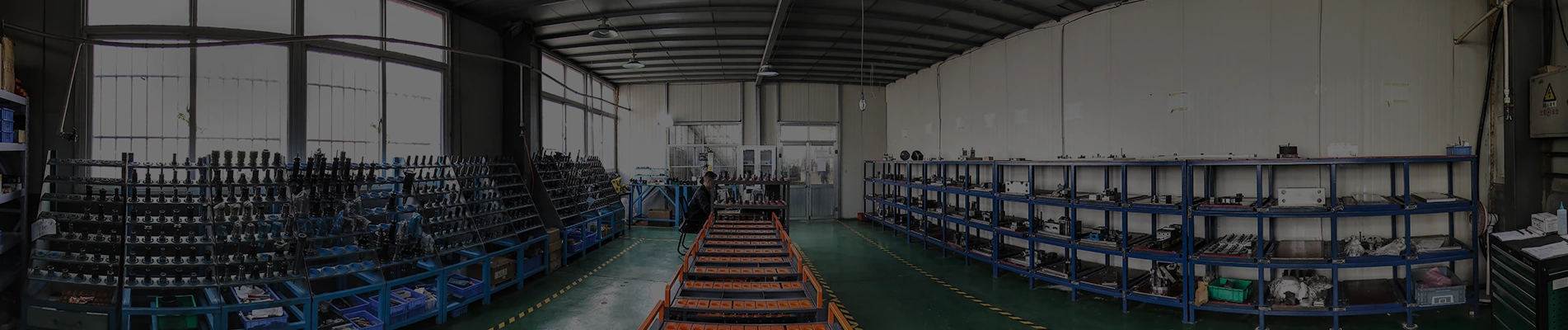
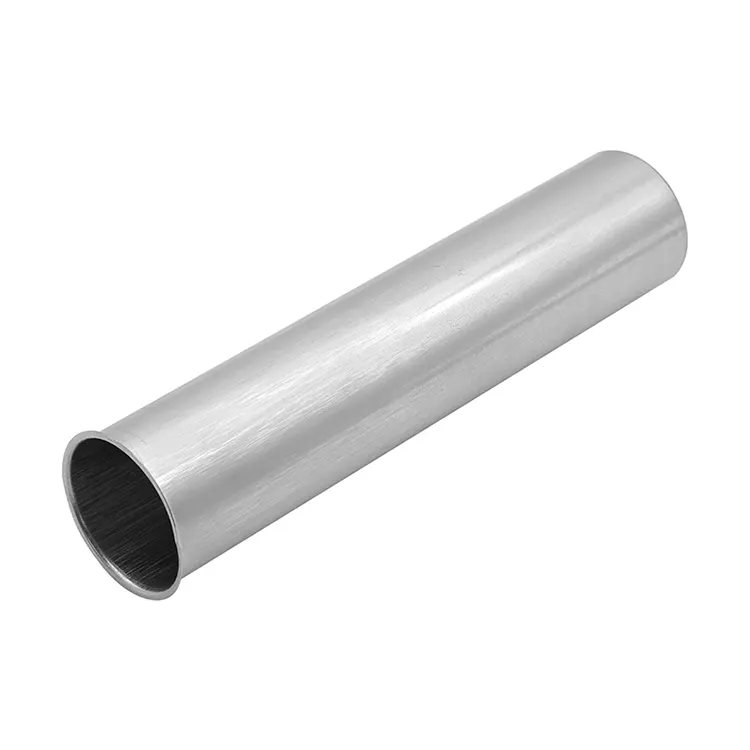
When companies make home, portable, or hospital oxygen concentrators, they need high-precision, safe oxygen concentrator components. These parts affect how well the concentrator separates oxygen, keeps airflow steady, and works reliably long-term—since it’s life-support equipment. Difon Machinery Co., Ltd. is a trusted supplier of these components.
Send Inquiry
Product Description
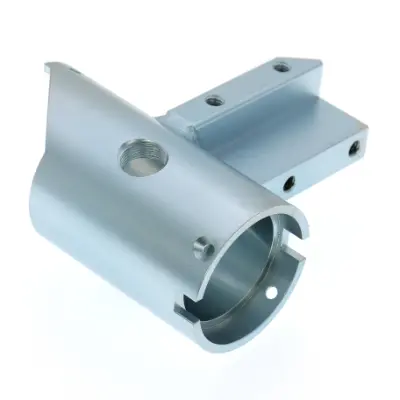
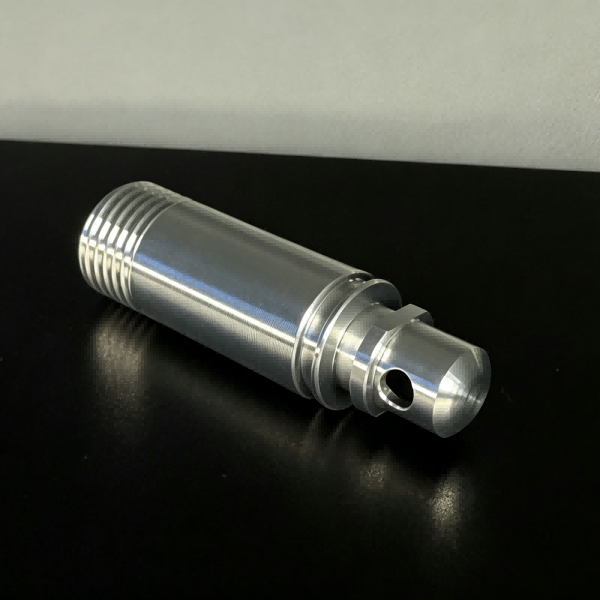
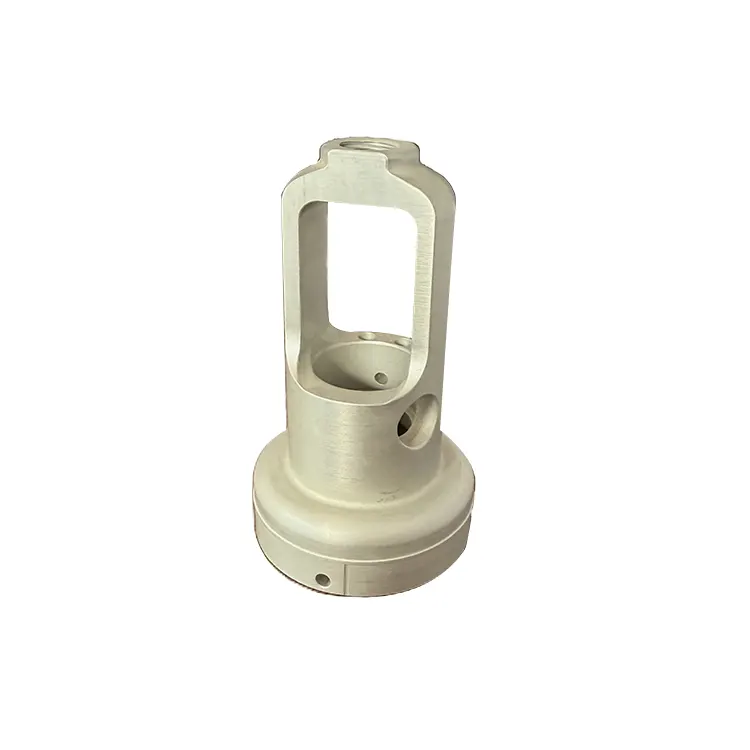
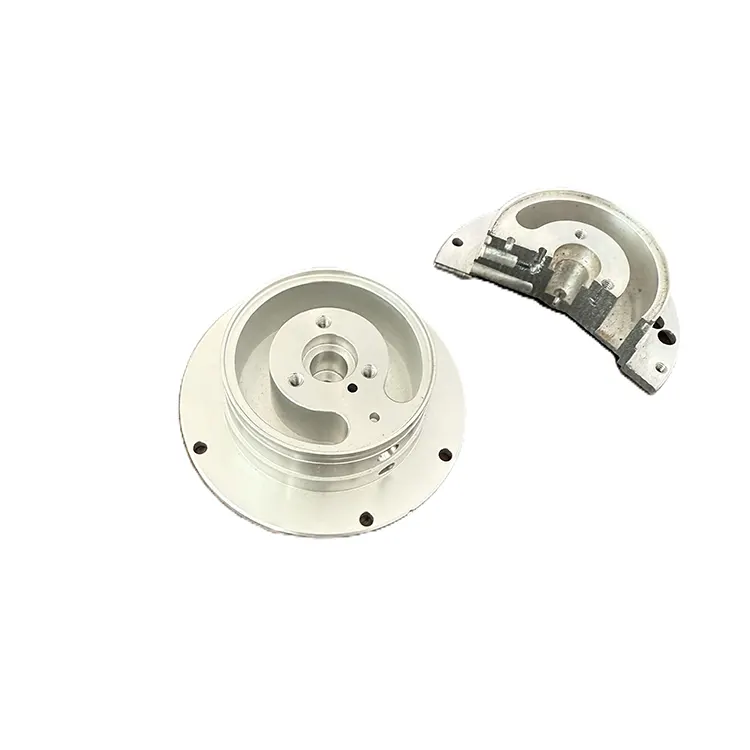
When companies make home, portable, or hospital oxygen concentrators, they need high-precision, safe oxygen concentrator components. These parts affect how well the concentrator separates oxygen, keeps airflow steady, and works reliably long-term—since it’s life-support equipment. Difon Machinery Co., Ltd. is a trusted supplier of these components. Our core expertise is precision machining of key parts: brackets, cylinders, flowmeter housings, and pressure relief valve bodies. Every part we make meets strict medical standards. Key features have tight tolerances. These parts need uniform volume to make sure nitrogen is absorbed evenly. In partnering with Difon as your oxygen concentrator components supplier, you gain the assurance that comes from a team with a profound understanding that these components are integral to life-sustaining devices.
Oxygen concentrator components have unique needs—they’re not like regular industrial or consumer parts. A molecular sieve bracket with uneven internal walls can disrupt laminar airflow through the sieve bed, compromising separation efficiency. This makes the concentrator less able to deliver over 90% pure oxygen—the minimum for medical use. A compressor cylinder that’s slightly oval can increase friction between the piston and cylinder wall. This leads to premature wear and unplanned system shutdowns—posing a direct risk to patients dependent on a continuous oxygen supply. Many generic suppliers don’t fix these medical-specific problems. They use materials that can’t handle frequent disinfection or skip tolerance checks. At Difon, we engineer every component to meet the stringent requirements of a safety-critical medical device. First, we work with your engineering team to understand how the part works in the concentrator: Does it hold molecular sieve beads for oxygen separation? Or regulate airflow for patients? Then we tweak our machining process to meet those needs. For example, if the part is for a portable concentrator used by people who move around, we’ll make it lighter using medical-grade lightweight alloys but still strong. This way, the device is easy to carry without losing performance.
Our reputation as a trusted supplier is built upon an unwavering commitment to certified medical-grade materials and processes. Each part must be biocompatible, durable, and safe to use. Oxygen concentrators work in different places—home bedrooms, hospital ICUs. So materials need to resist corrosion from humidity, handle frequent alcohol disinfection, and not leak harmful stuff into the oxygen. The table below shows our main materials and how we use them for specific components:
|
Material Type |
Key Medical-Grade Traits |
Target Components |
Machining Tweaks |
|
316L Stainless Steel |
Ultra-low carbon, ISO 10993-5 safe, resists corrosion |
Molecular sieve brackets, pressure relief valves |
Use diamond-coated tools for smooth inner surfaces to cut airflow turbulence; passivate after machining |
|
6061-T6 Medical-Grade Aluminum |
Light, dissipates compressor heat well, easy to machine |
Compressor cylinders, portable concentrator chassis |
Use coolant with anti-corrosion additives; smooth all edges to stop particle contamination |
|
PEEK |
FDA-approved for medical use, resists disinfectants, no volatile particles |
Flowmeter housings, tubing connectors |
Precision CNC milling with carbide end mills; laser mark |
Our precision machining process is tailored to each component’s shape and job—making sure every feature helps the concentrator make oxygen reliably. For sieve brackets—parts that hold zeolite beads to separate nitrogen from air—we use five-axis CNC machines. These machines create inner chambers with wall thickness variation under 0.003mm. This uniformity is important: uneven walls cause “dead zones” where sieve beads don’t absorb nitrogen well. That lowers oxygen purity. The five-axis machines also make precise mounting holes around the bracket. These holes line up with the sieve bed cover, and their position tolerance ensures a tight seal. This stops air leaks that waste energy and reduce efficiency.
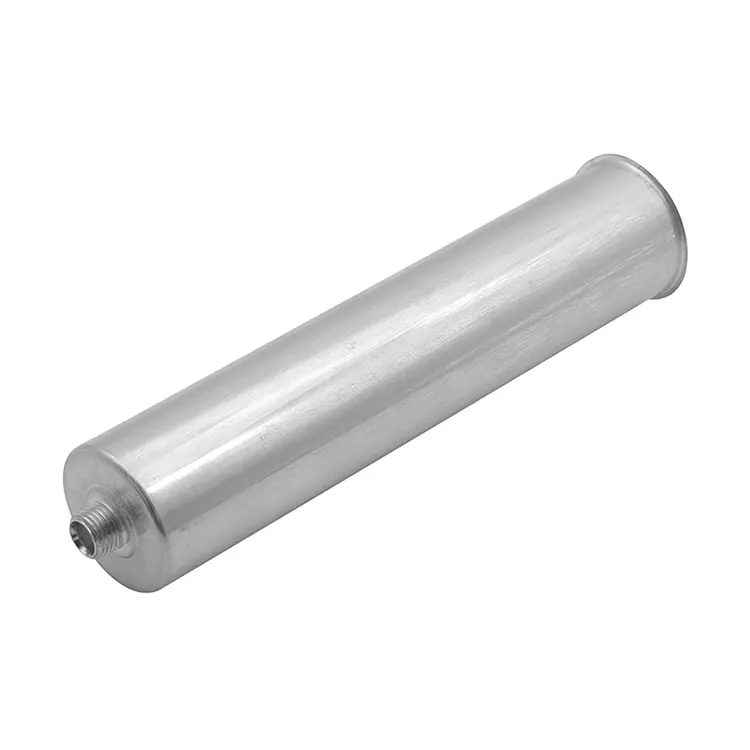
For compressor cylinders—parts that push airflow through sieve beds—we use ultra-precision lathes with strong spindles. These lathes create a mirror-smooth inner wall. This smooth surface cuts friction between the piston and cylinder. That extends the compressor’s life and reduces noise. We also check parts as we machine them: after every 10 cylinders, a laser scanner checks the inner diameter and ovality. If it’s off by more than 0.002mm, the lathe adjusts automatically. This keeps every part in a batch consistent.
As an oxygen concentrator components supplier, we know testing parts after machining is just as important as machining them—especially for medical devices. We have a special test process for each component and following medical rules. Every part that passes tests gets a unique serial number. It’s linked to a digital “Quality Record” with material certificates, machining settings, and test results. This traceability is needed for medical device makers to pass regulatory audits, and we give clients full access to these records.
Beyond precision machining, we provide comprehensive support throughout your device development and regulatory journey. We also make fast prototypes: if you’re testing a new concentrator design, we can make 5–10 parts in 7–10 business days. That’s faster than most suppliers, so you can test your device and get it to market sooner. For large orders, we offer flexible delivery—like just-in-time shipping. This matches your assembly line needs and cuts down on inventory costs. Our customer service team has people with medical device experience. They can answer questions about material compliance, paperwork, or regulatory submissions—help you won’t get from generic machining shops.
At Difon Machinery, our role as a component supplier is defined by a commitment to enabling medical innovations that save and improve lives. Precision manufacturing is the foundation of this commitment. It’s helping make equipment that saves and improves lives. Our focus on medical-grade materials, machining that fits how parts work, strict testing, and regulatory support ensures every part meets high safety and performance standards. Whether you’re making home, portable, or hospital oxygen concentrators, we’re ready to turn your design into parts that help the concentrator work reliably. Want to talk about your component needs? Ask for samples to test? Or visit our facility? Contact our team. You can see our medical-grade machining and testing labs firsthand—and see why medical device makers trust us with their life-support parts.
Hot Tags: Oxygen Concentrator Components
Related Category
Send Inquiry
Please feel free to give your inquiry in the form below. We will reply you in 24 hours.